2 hr
Kathmandu: Mount Everest Scenic Mountain Flight with Hotel Transfers
- Entry ticket
- Mobile voucher
- Valid same day
- Free cancellation
Mount Everest Tours — Sagarmatha Permits & Scenic Flights
Ice at the edge of morning, silence where the air thins.
Compare fares, pick the fit — all bookings are mobile-voucher and eligible for free cancellation where shown.
2 hr
4 hr
1 hr
Choosing your mount everest Tours access comes down to how close you need to get to the summit and how much time and budget you have: a fixed-wing plane, a helicopter flyby, or a helicopter tour with a landing near Kala Patthar/Base Camp. Each Everest sightseeing tour departs from Kathmandu, so the real decision is altitude reached, flight length, and whether you ever step onto Khumbu ground.
| Fixed-Wing Scenic Flight (1-hour plane window seat) | Helicopter Flyby (No landing) |
Top pick Helicopter Landing Tour (Kala Patthar/Base Camp) |
|
|---|---|---|---|
| Aircraft type | Small pressurized fixed-wing plane | Helicopter, no touchdown | Helicopter with ground stop |
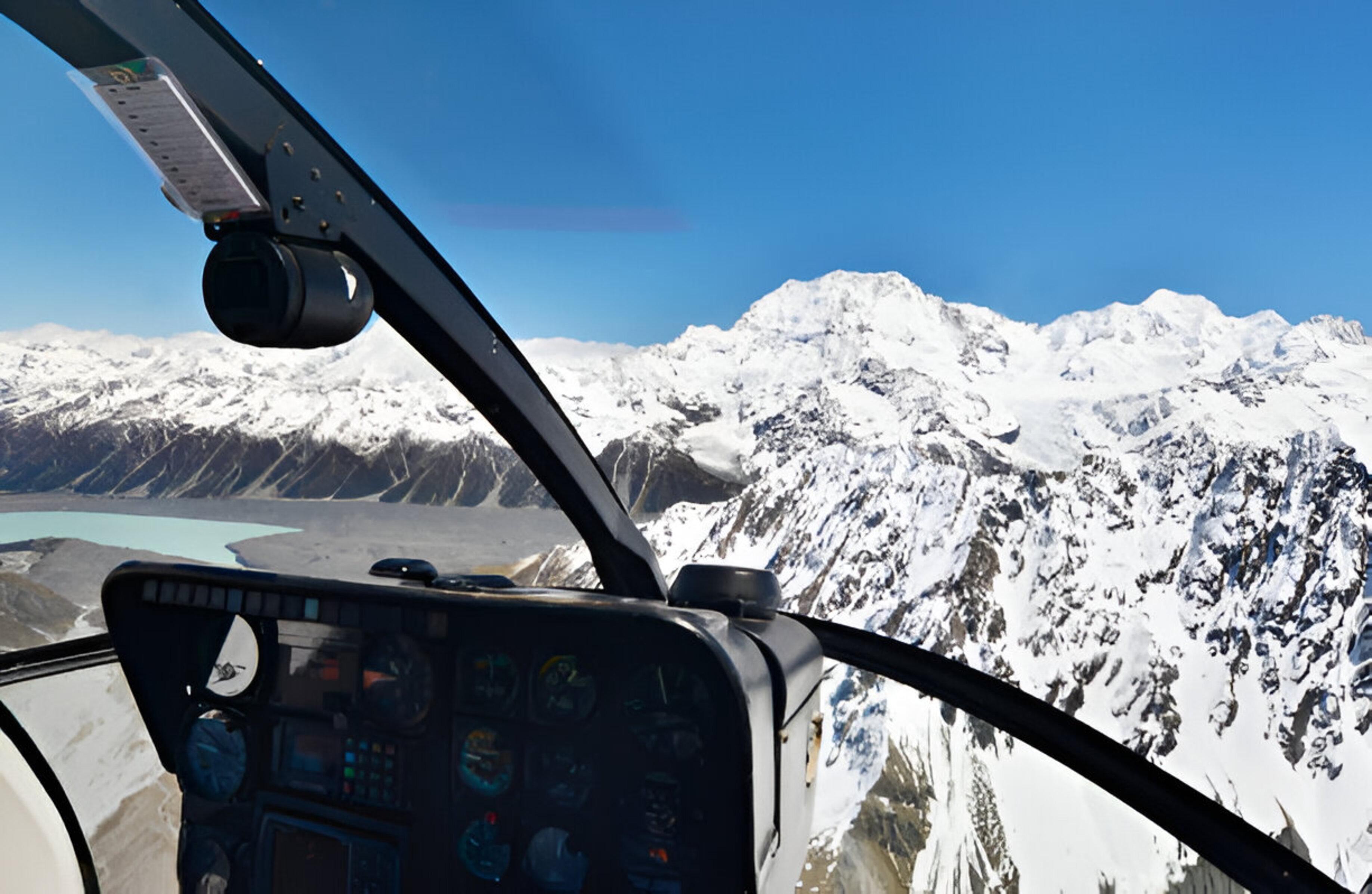
| Altitude/proximity to summit | Cruises near 25,000 ft, wide-angle pass | 4,500–6,000 m over Base Camp sector | Lands at Kala Patthar, 5,545 m |
| Duration in air | 50–60 minutes round trip | 2–3 hours round trip | 3–5 hours including ground time |
| Group size | Full plane, guaranteed window seat each | Up to 5 per shared helicopter | Max 2–3 passengers per landing shuttle |
| Landing included | — | — | ✓ 5–20 minutes at Kala Patthar |
| Typical departure point | Tribhuvan Airport, Kathmandu | Tribhuvan Airport, Kathmandu | Tribhuvan Airport, Kathmandu |
| Best for | Budget-minded first-timers, limited time | Closer aerial views without a full-day trip | First-timers wanting to set foot near Base Camp |
| See tickets & prices |
Verdict: First-time visitors most often choose the helicopter landing tour for its Kala Patthar touchdown, while a budget-focused Everest landmarks flight over the Himalayas still works well for anyone short on time or funds.
Worth it for view-seekers, not budget trekkers
The math on mount everest Tours is mostly about the flight, not the gate. The Sagarmatha National Park entry permit is a modest 3,000 NPR per foreign visitor, but a scenic Himalayan flight runs roughly 20,000–25,000 NPR and a helicopter landing tour to base camp climbs into 100,000+ NPR territory. For that spend you buy guaranteed daylight views of the world's highest peak with zero trekking fitness required — a real advantage over a two-week trail slog past the Khumbu glacier and Sherpa villages. The catch is weather: monsoon cloud and afternoon haze can ground or blank out a mount everest flight, and refund policies vary. A well-timed everest scenic tour pays off for short-on-time travelers and non-hikers chasing summit-level scenery. Bargain hunters and those set on standing at base camp themselves will feel the price of these Himalayan landmark tours more sharply.
Bottom line: If clear-day Himalayan views matter more than standing on the trail, the mount everest Tours tickets earn their price — otherwise save the cash and trek.
For most travelers weighing mount everest Tours against a ground expedition, the scenic flight wins on time and ease, while the Everest Base Camp Trek wins on immersion — pick the flight if your trip has days, not weeks, to spare.
|
Top pick Scenic Mountain Flight |
Everest Base Camp Trek | |
|---|---|---|
| What you see | Everest summit and 20+ peaks from altitude | Everest's north face from ground level at 5,364m |
| How you get there | 1-hour flight from Kathmandu airport | Fly to Lukla, then walk for days |
| Physical effort | None — seated the entire flight | Moderate-tough, 4-6 hours walking daily |
| Duration | About 1 hour round trip | 12-14 days round trip |
| Cost range | $165-$300 per person | $1,100-$3,000 per person |
| Weather/cancellation risk | High — cloud cover delays or cancels flights | Moderate — snow, storms can halt trail days |
| Best for | Time-limited visitors, families, no-hike travelers | Trekkers wanting close-up base camp access |
| See tickets & prices |
Verdict: Choose the mount everest Tours flight for a same-day glimpse of the summit with zero training, and choose the Everest Base Camp Trek if reaching the mountain on foot matters more than seeing it from above.
Hand-picked experiences loved by thousands of travelers
4 - 8 hours
Free Cancellation
See Everest up close in a day — by plane or helicopter, with Kathmandu hotel transfers included.
4 hours
Free Cancellation
Rise before dawn for panoramic Himalayan views and a first glimpse of Everest from Nagarkot's hills.
5 days
Free Cancellation
A 5-day Khumbu trek to the famed Everest View Hotel, with Sherpa villages and epic peaks.
6 hours
Free Cancellation
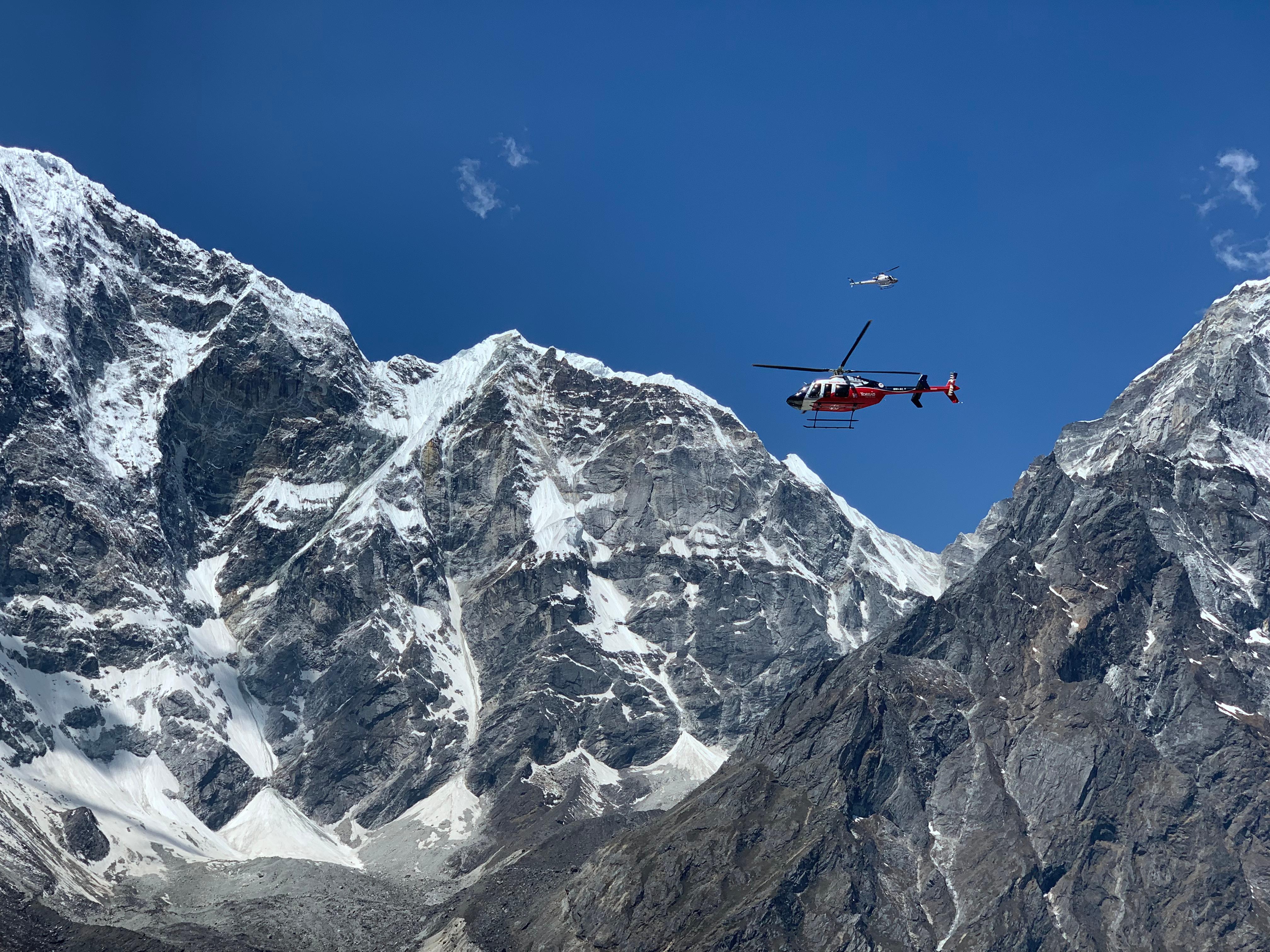
All-inclusive Everest helicopter flight from Kathmandu with a guaranteed Pheriche base camp landing.
1 - 6 days
Free Cancellation
A 4–6 day beginner-friendly trek to Everest View Hotel with Sherpa culture and no acclimatization needed.
Present passport, pay the Sagarmatha National Park permit, and register at the ranger counter
Walk through Jorsalle along the river toward the steep ascent to Namche Bazaar
Climb roughly 600 meters in elevation through pine forest to the main Khumbu trading town
Rest and short acclimatization hikes to the Everest View Hotel viewpoint before continuing higher
Trek onward past Tengboche Monastery toward Everest Base Camp on longer mount everest Tours itineraries
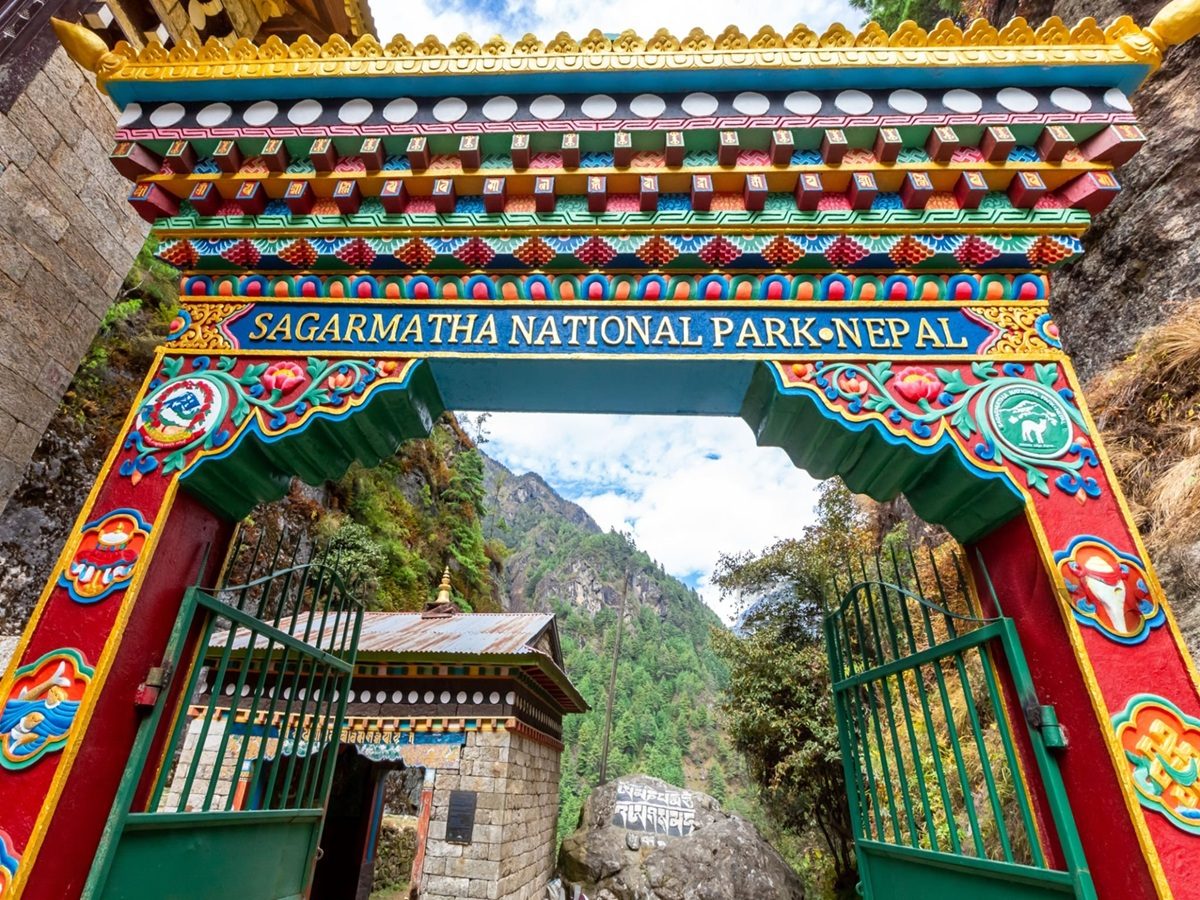
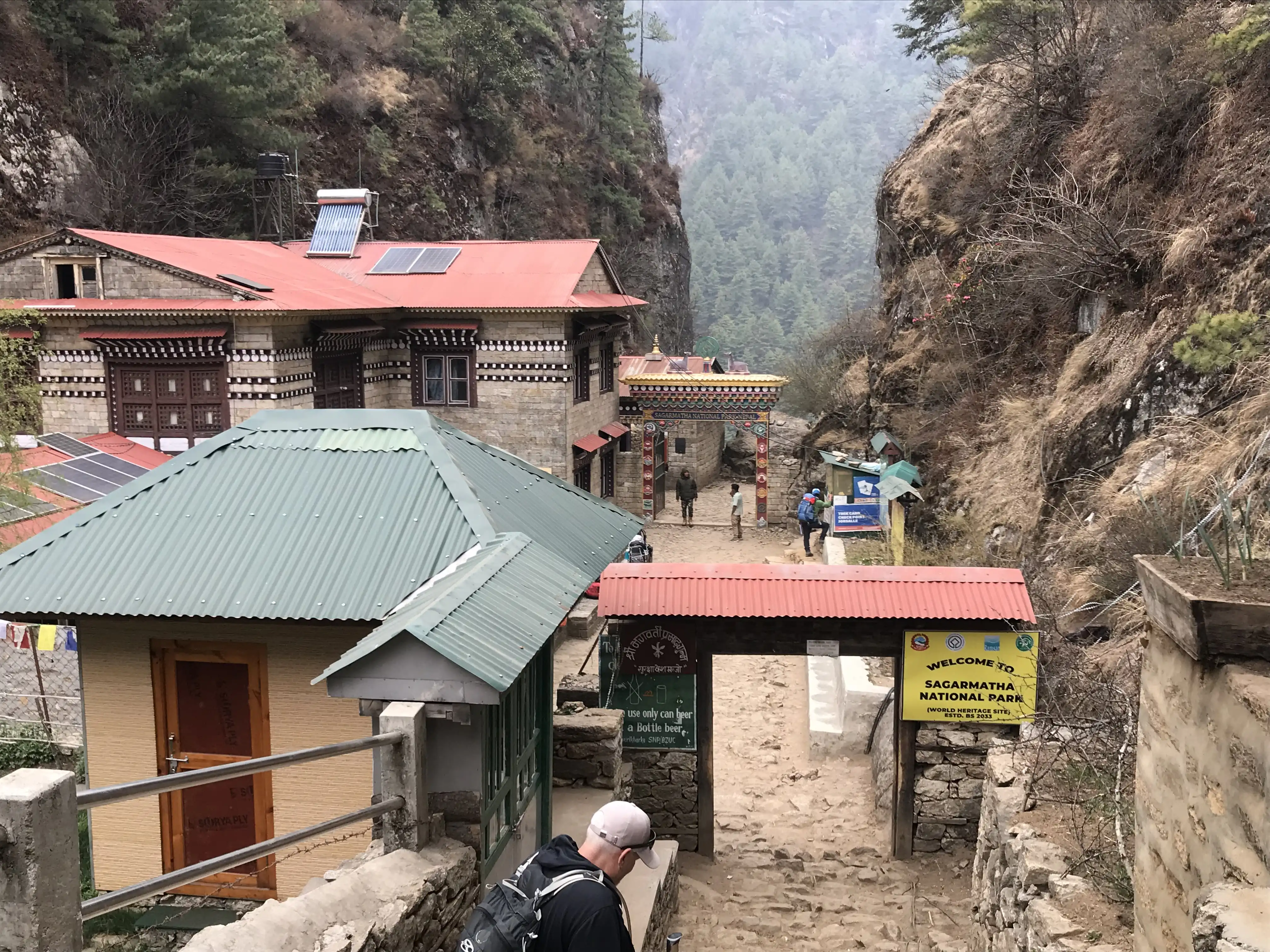
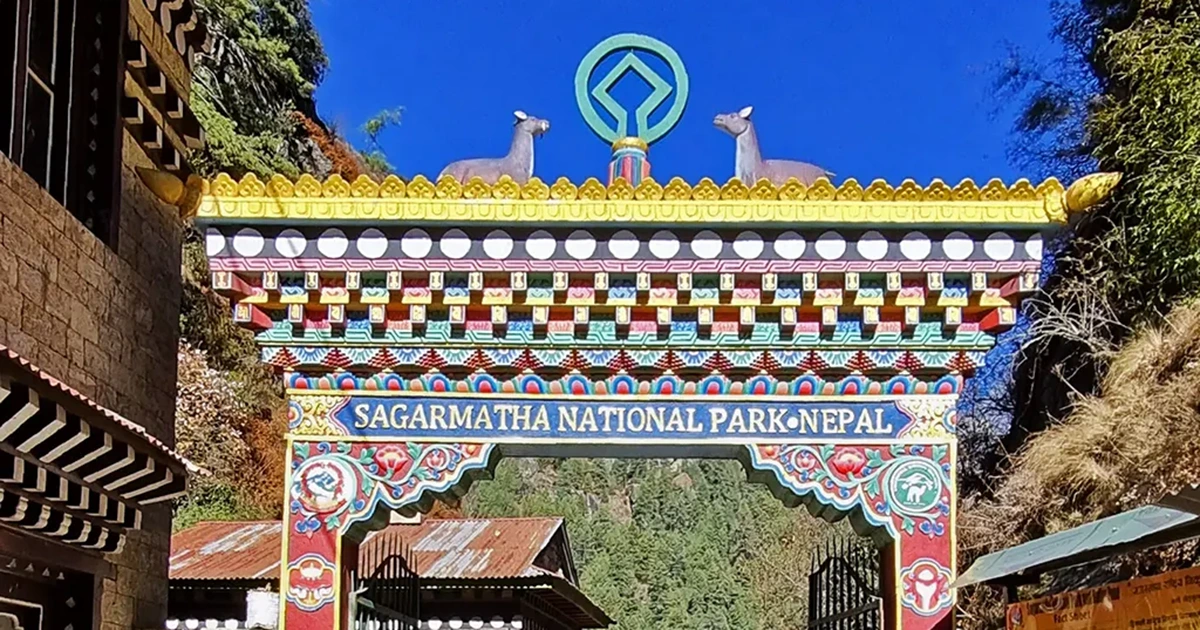
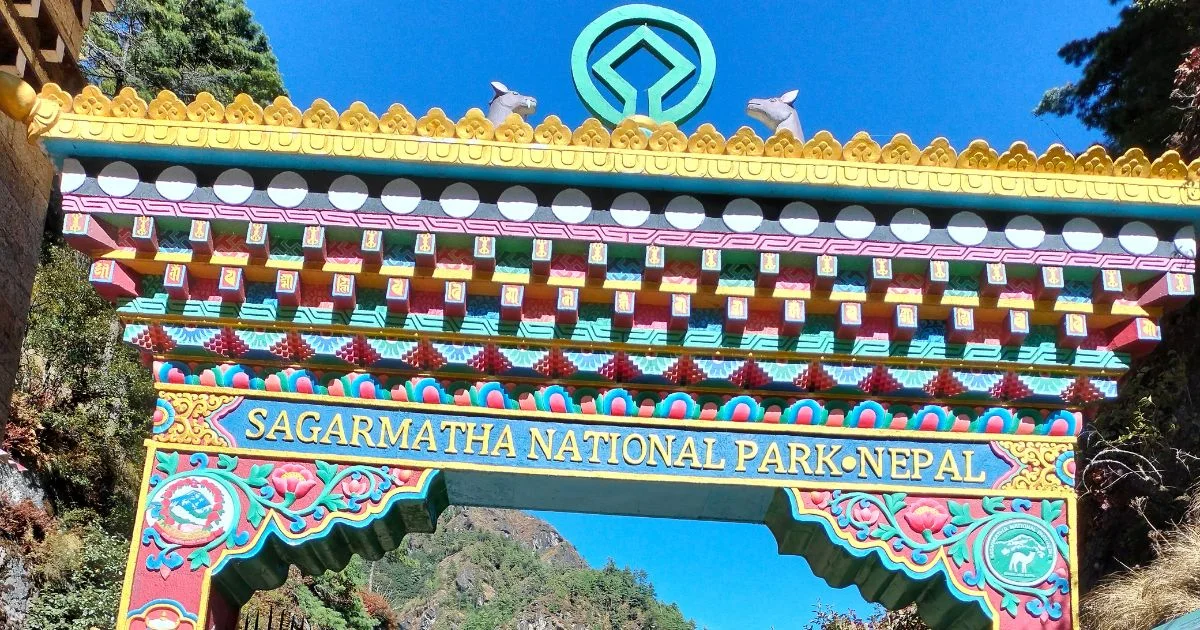
The official gateway into Sagarmatha National Park sits at roughly 2,835 meters elevation, where rangers verify permits before trekkers continue toward the Khumbu valley. It marks the boundary of the UNESCO World Heritage-listed park established in 1976.
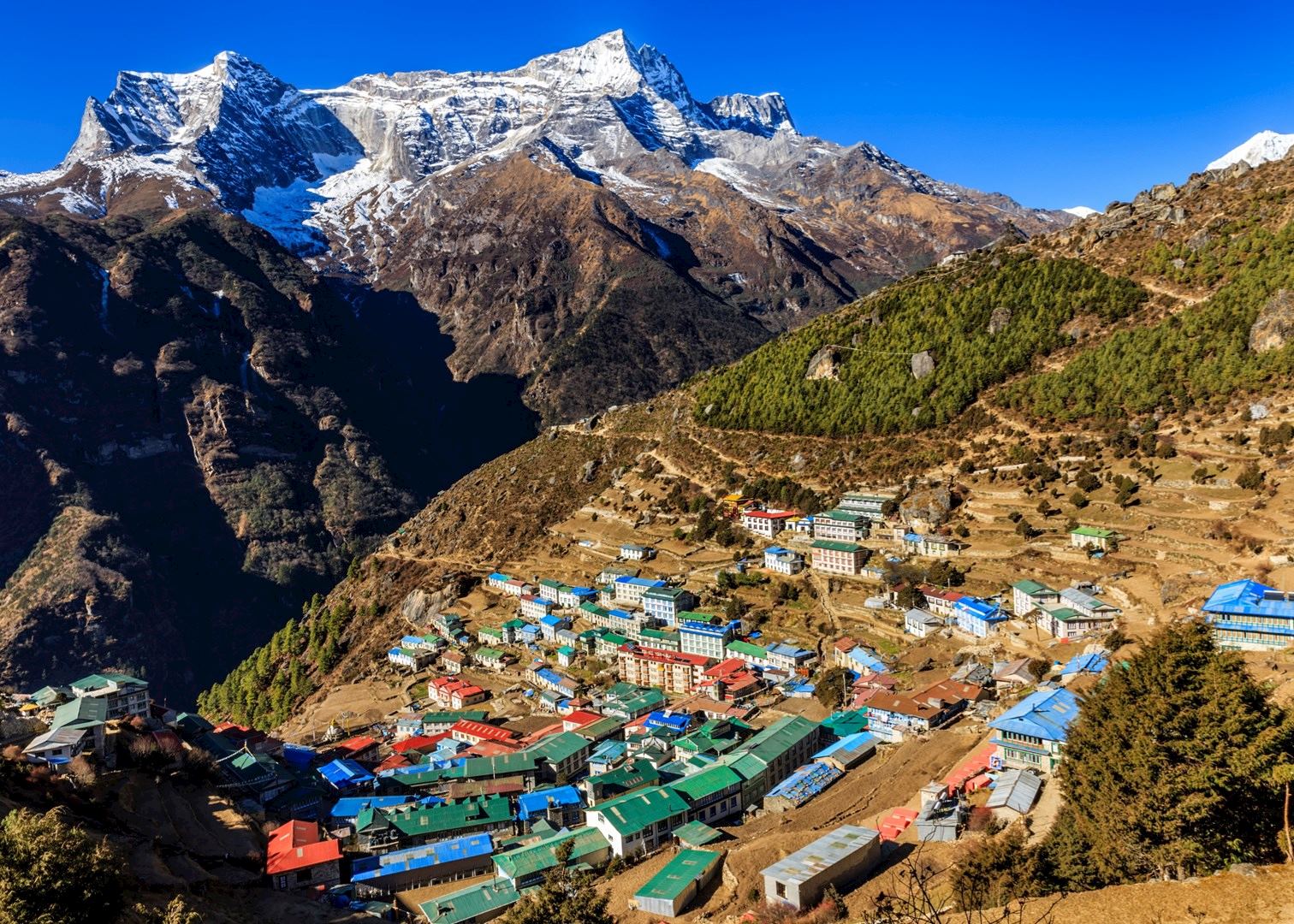
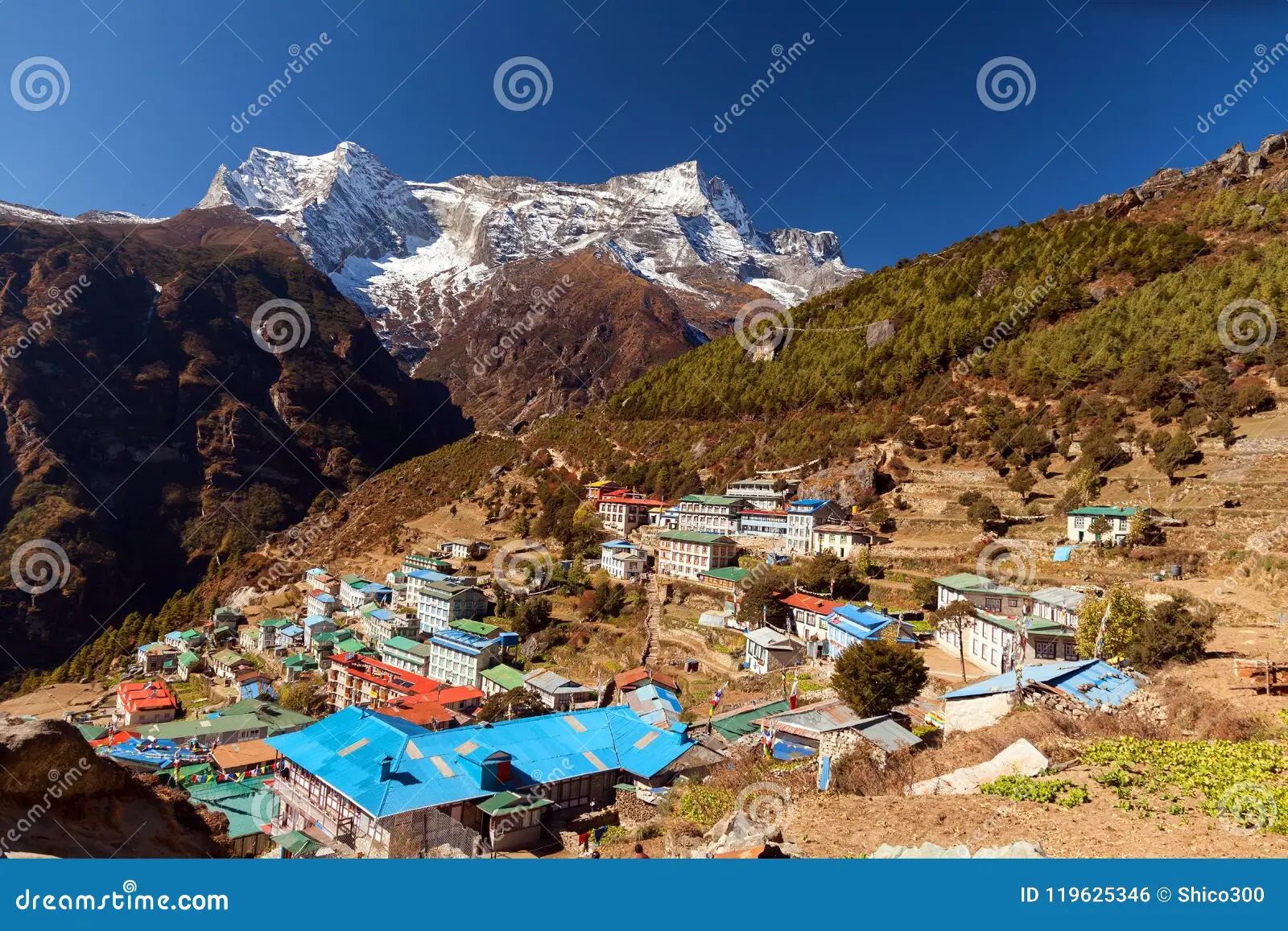
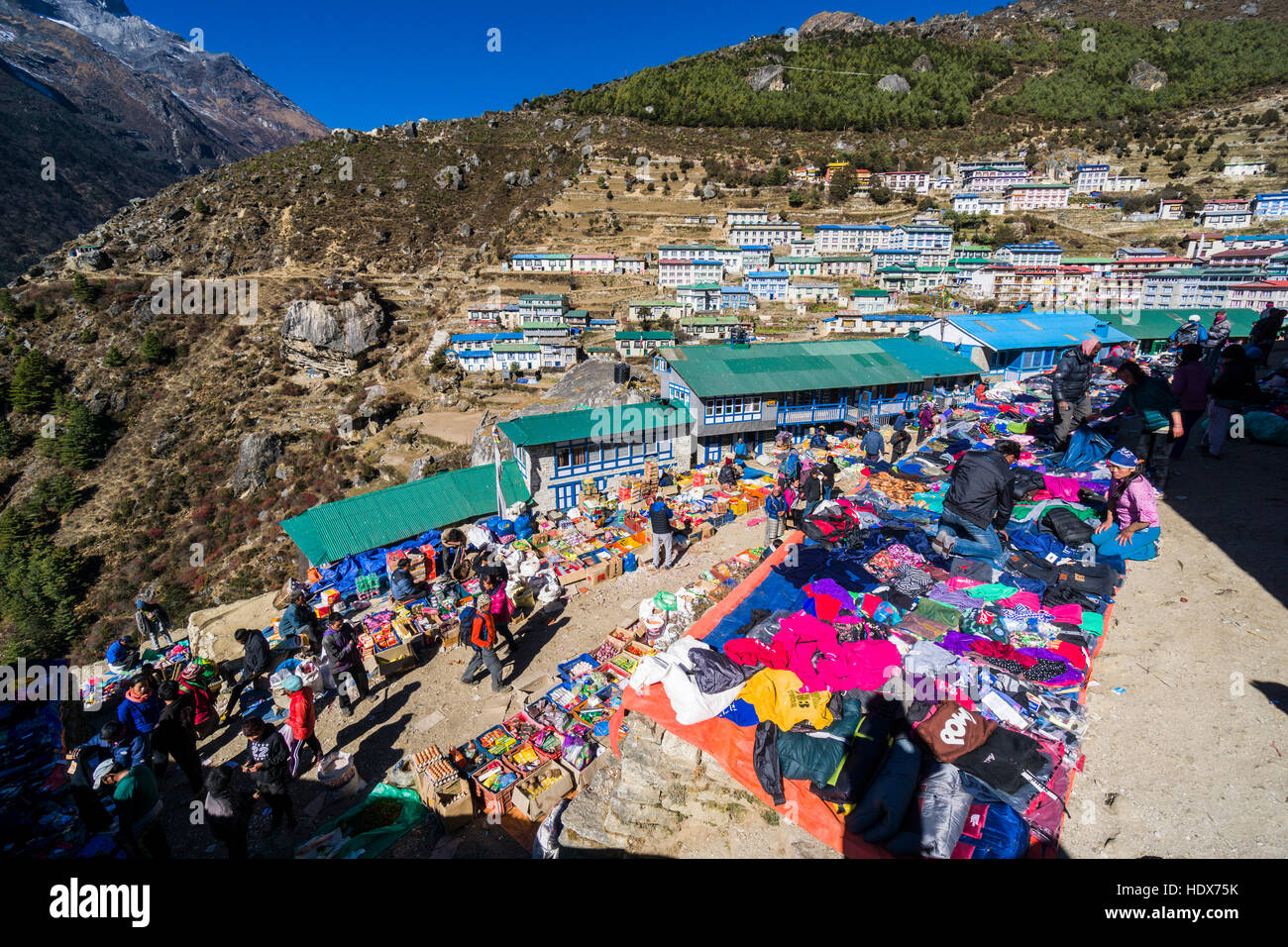
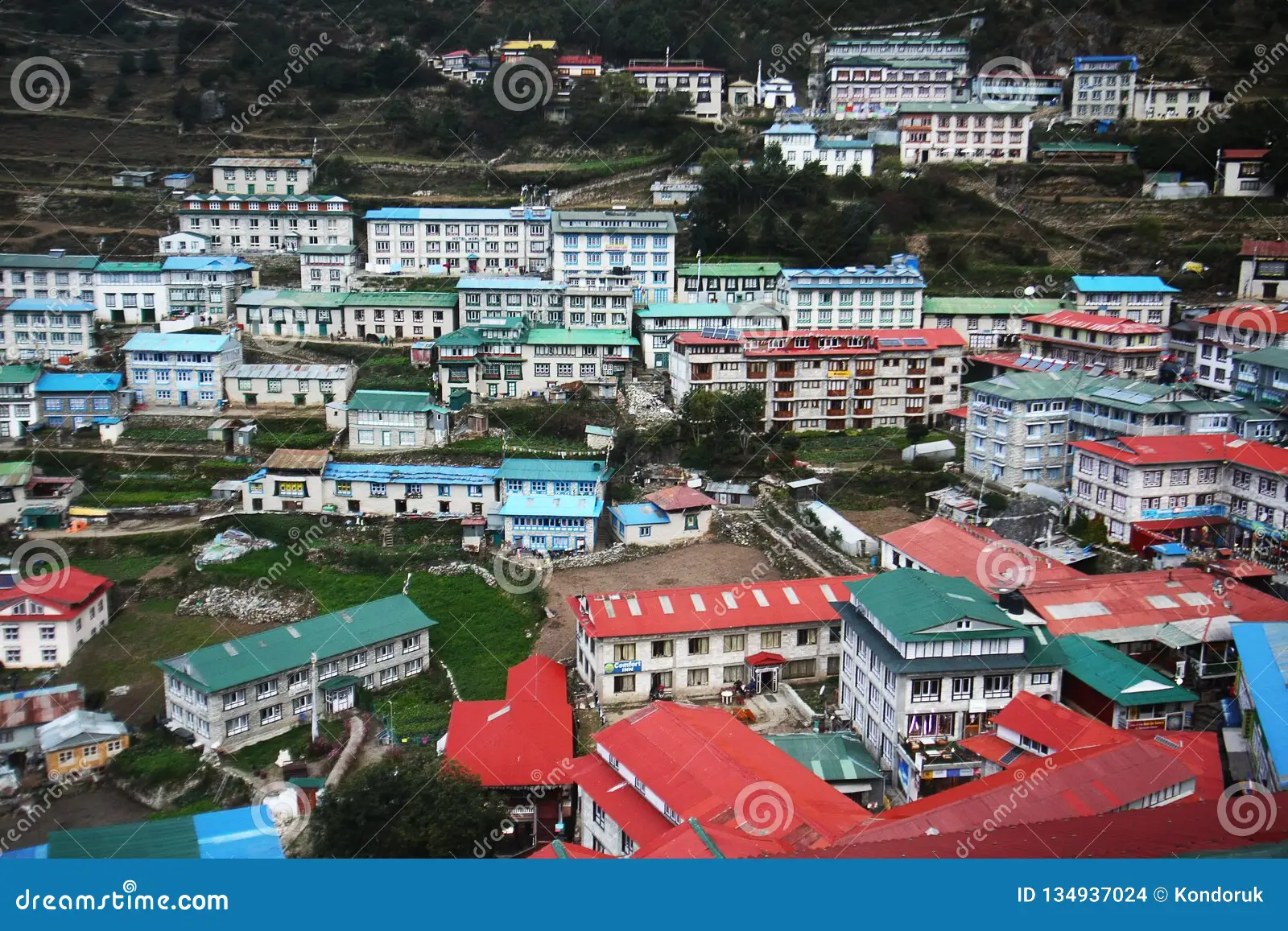
A horseshoe-shaped Sherpa trading town at about 3,440 meters, Namche Bazaar serves as the primary acclimatization stop and hosts a Saturday market that has operated for generations. It also houses the park's visitor centre and a small mountaineering museum.
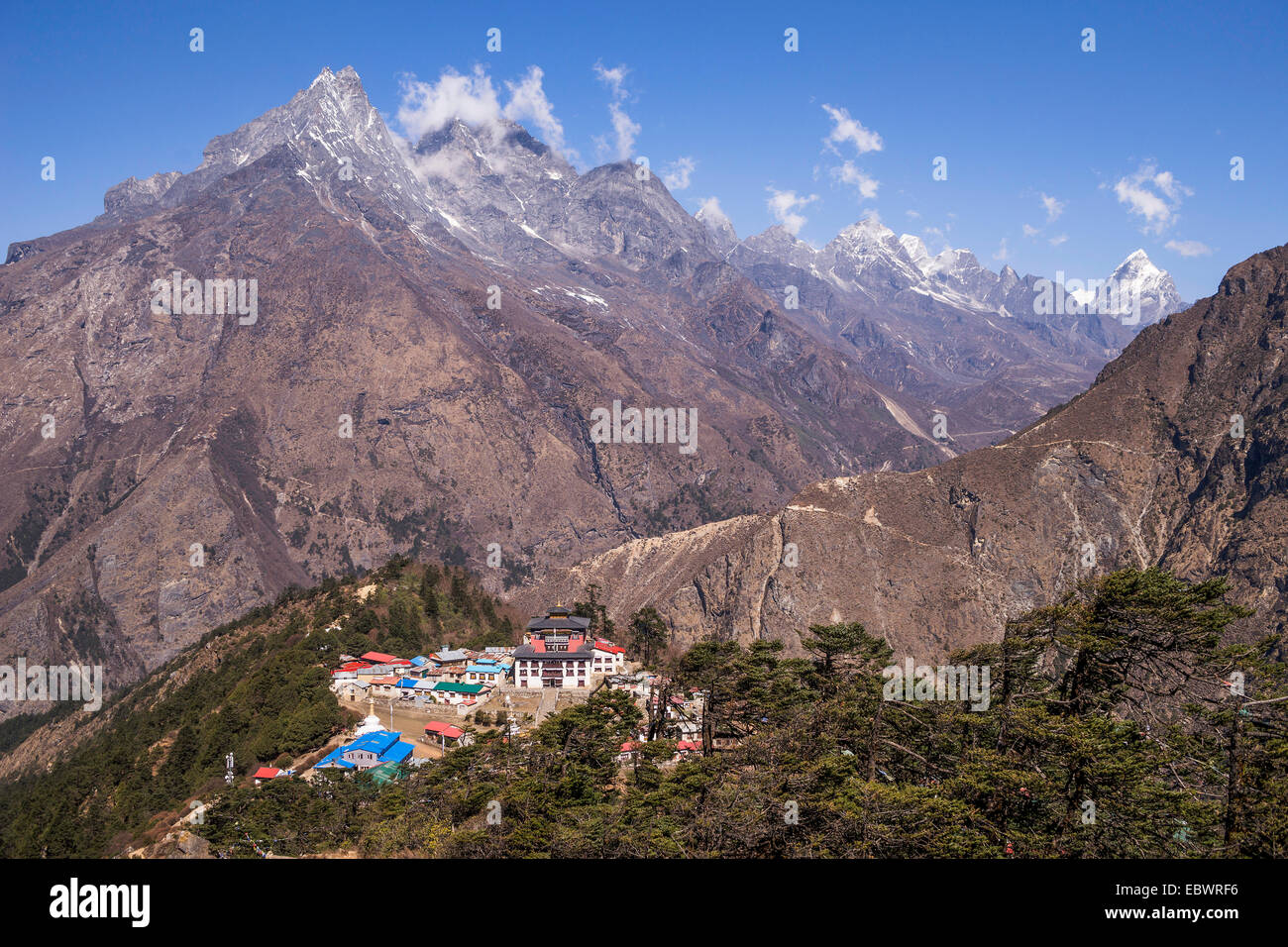
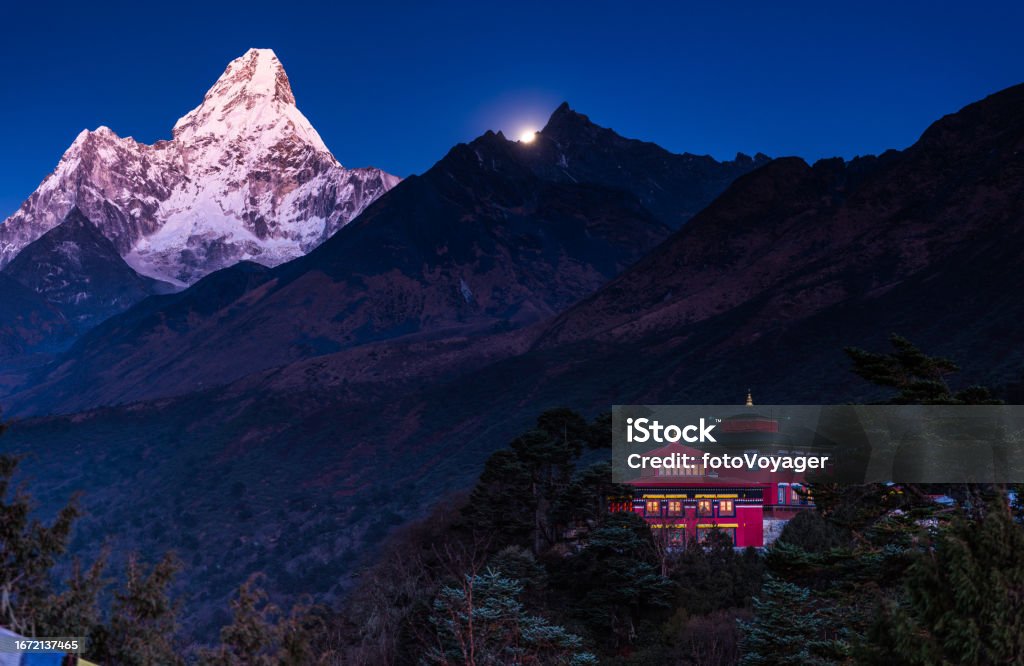
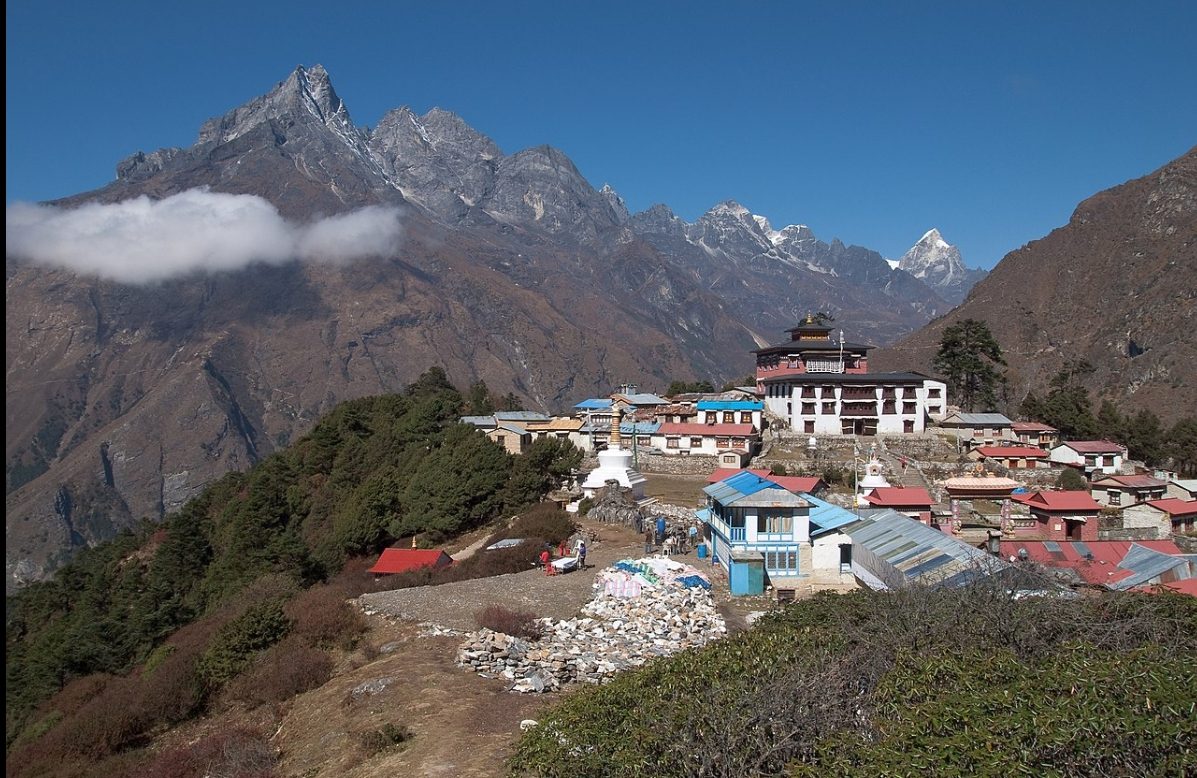
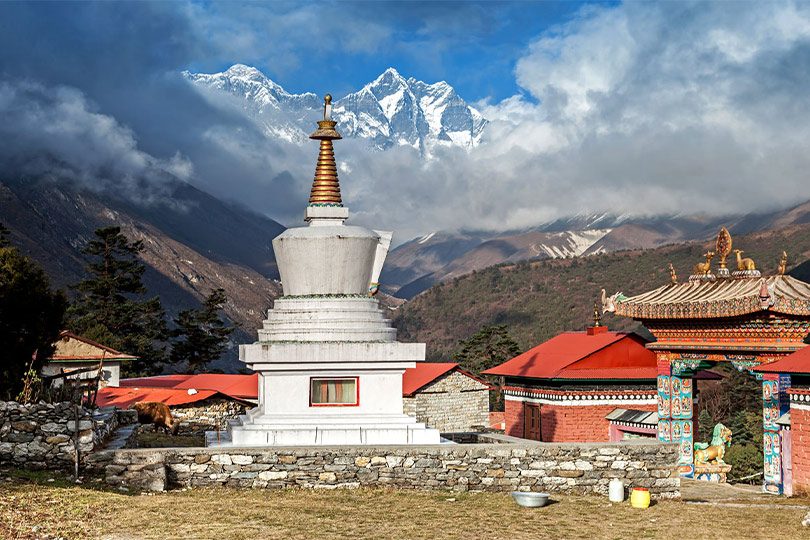
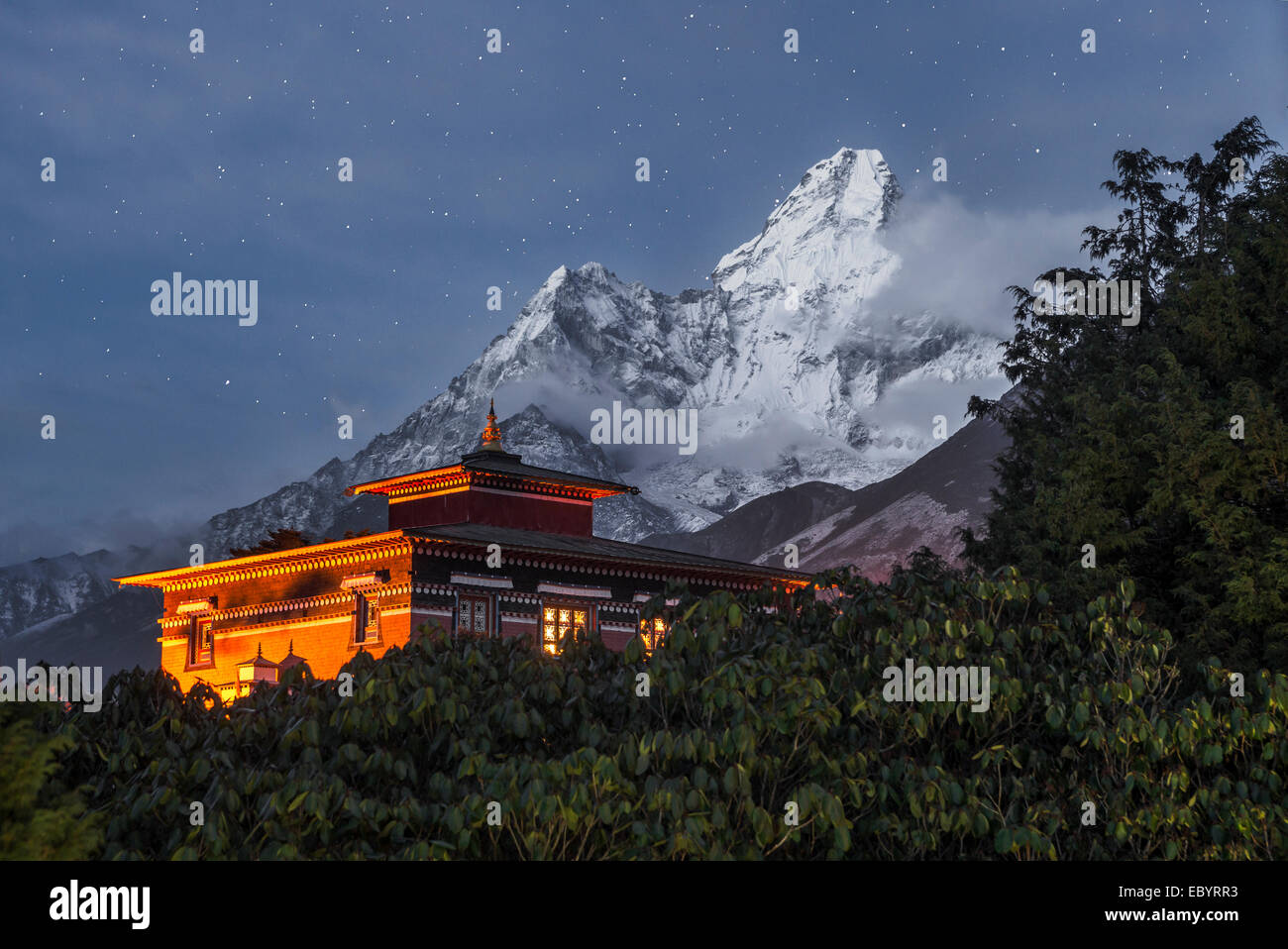
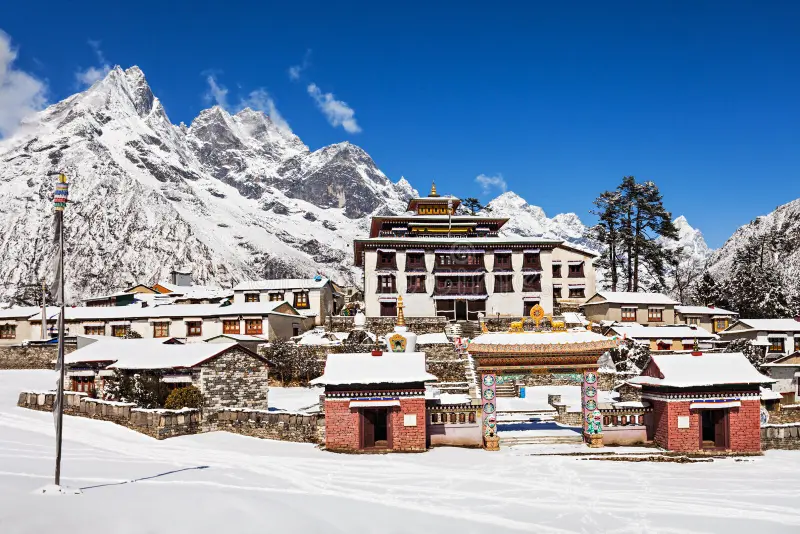
Perched at 3,867 meters with a direct backdrop of Ama Dablam, this Buddhist monastery was first built in 1916 and rebuilt after a 1989 fire. It hosts the annual Mani Rimdu festival drawing pilgrims and trekkers each autumn.
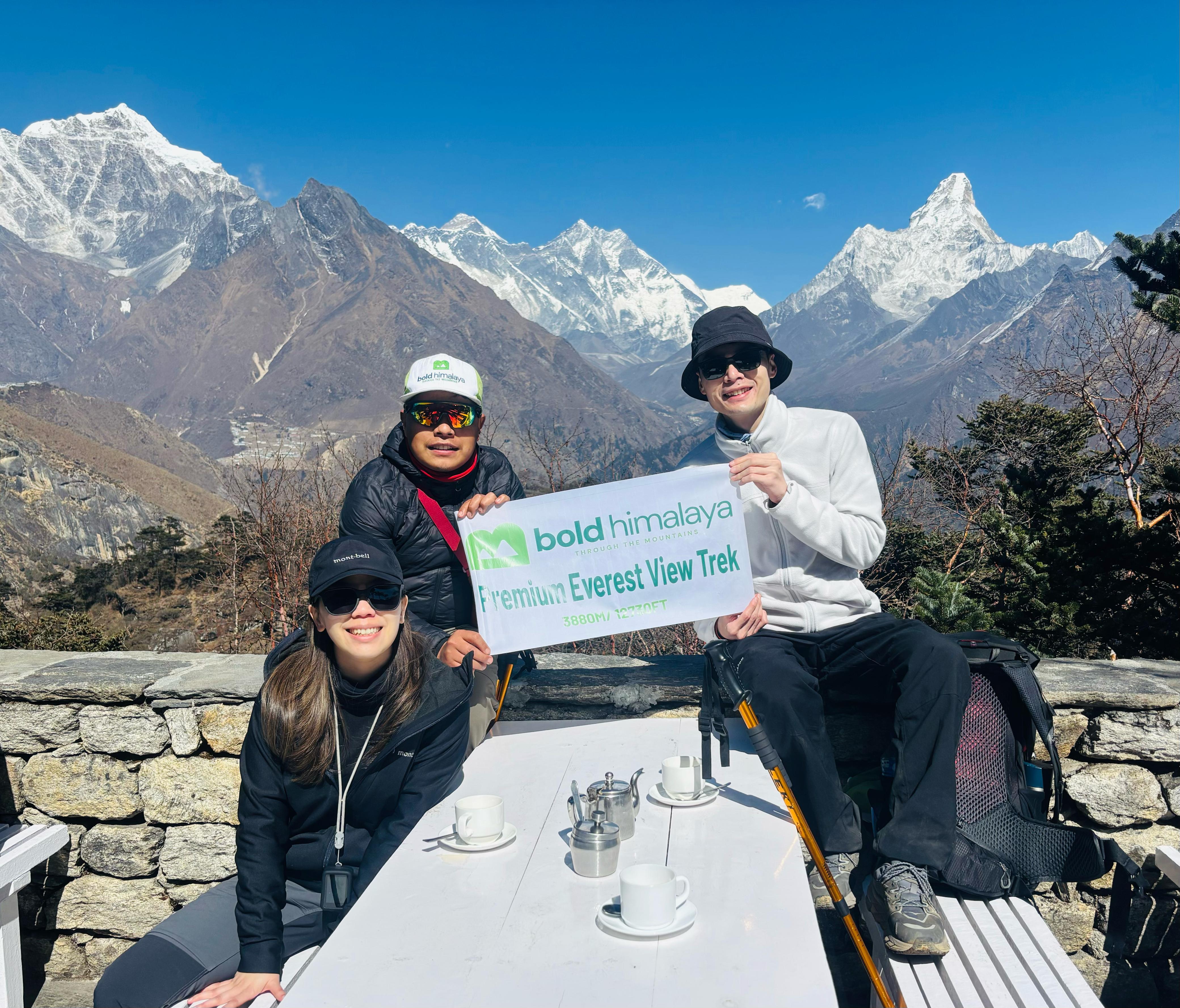
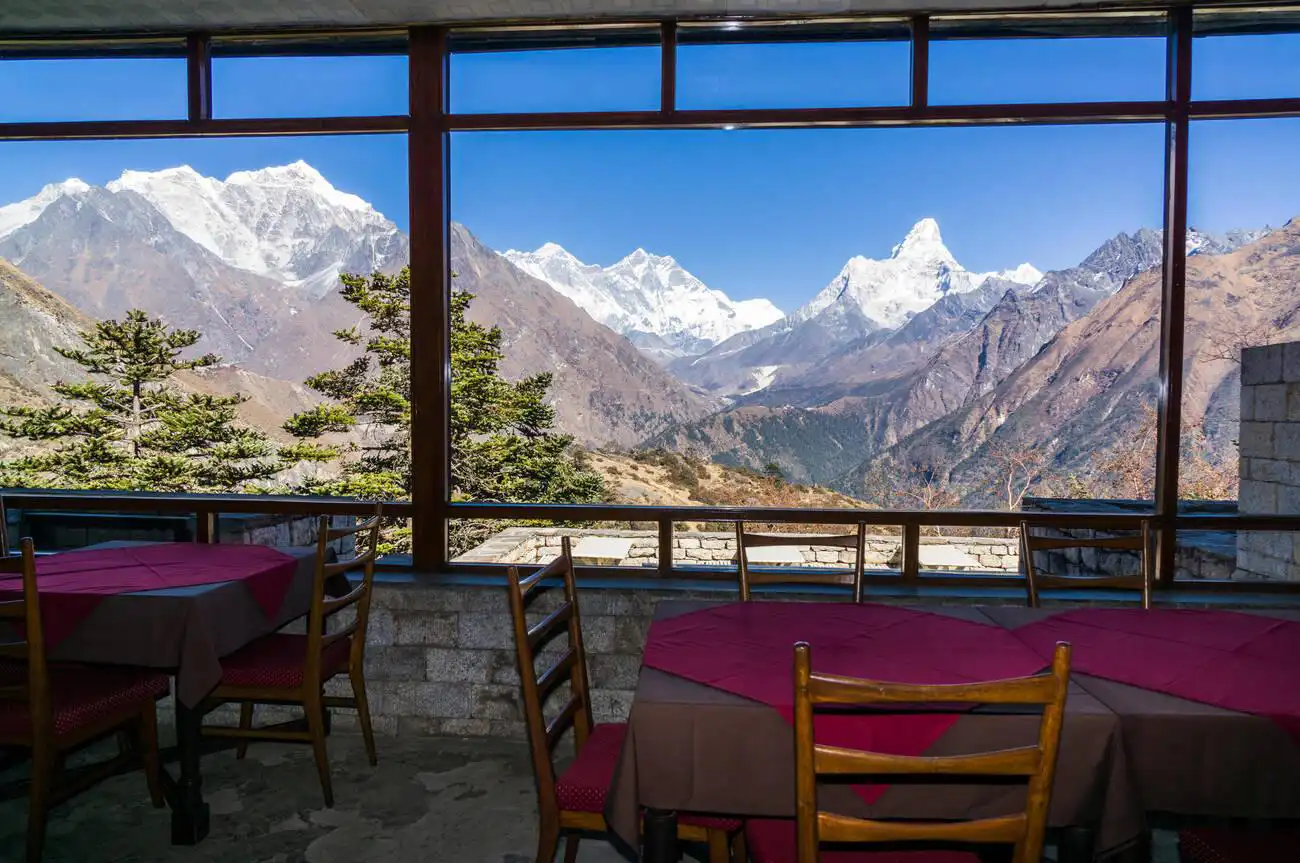
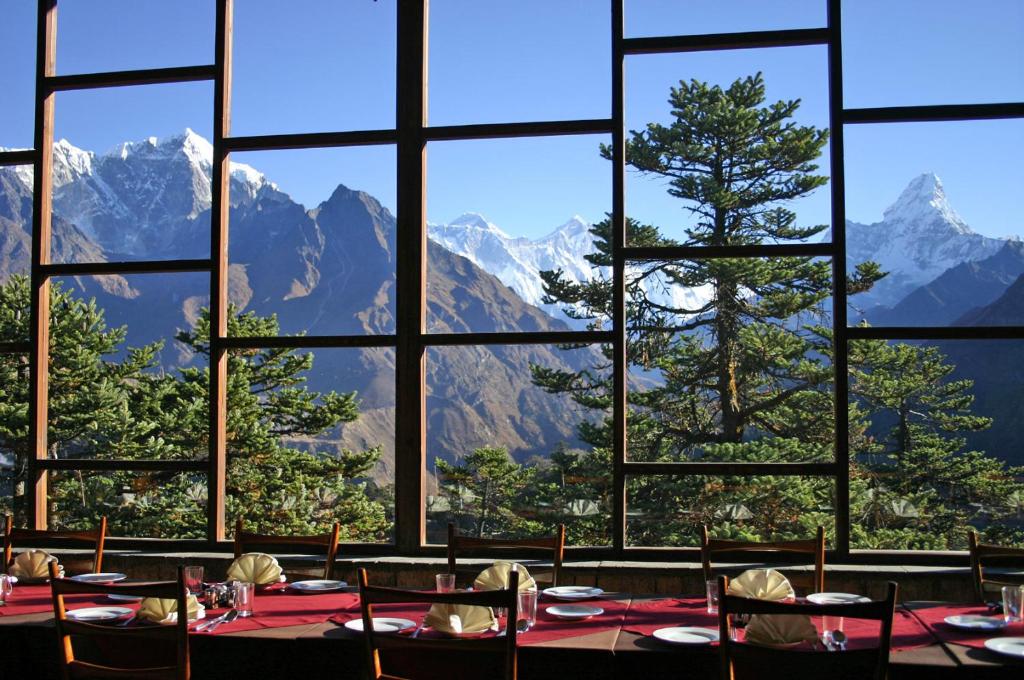
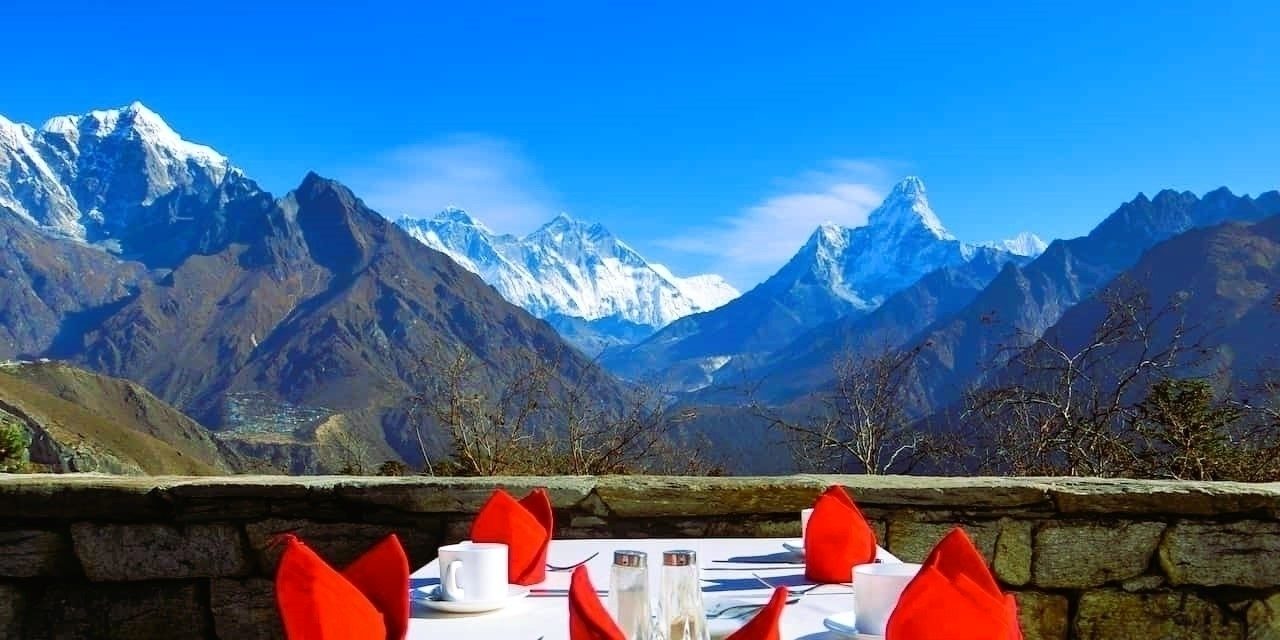
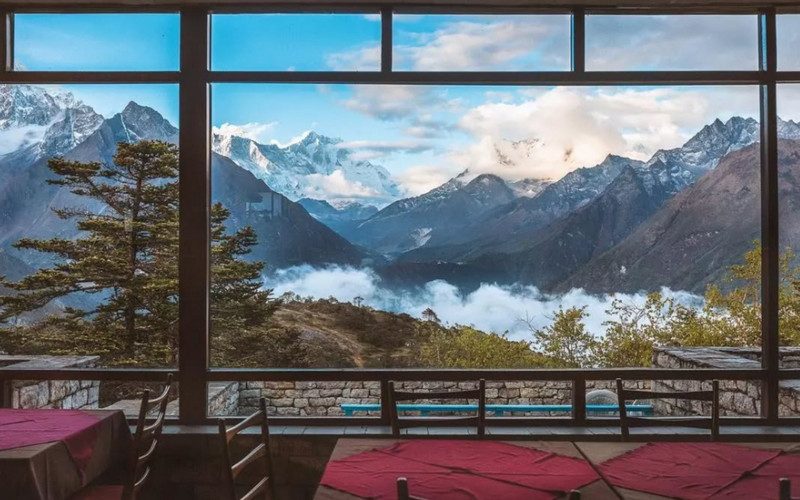
Located near Khumjung above 3,880 meters, this terrace is known as one of the highest-altitude hotel viewpoints in the world with a direct sightline to Everest, Lhotse, and Nuptse. It is a common acclimatization-day stop for trekkers based in Namche.
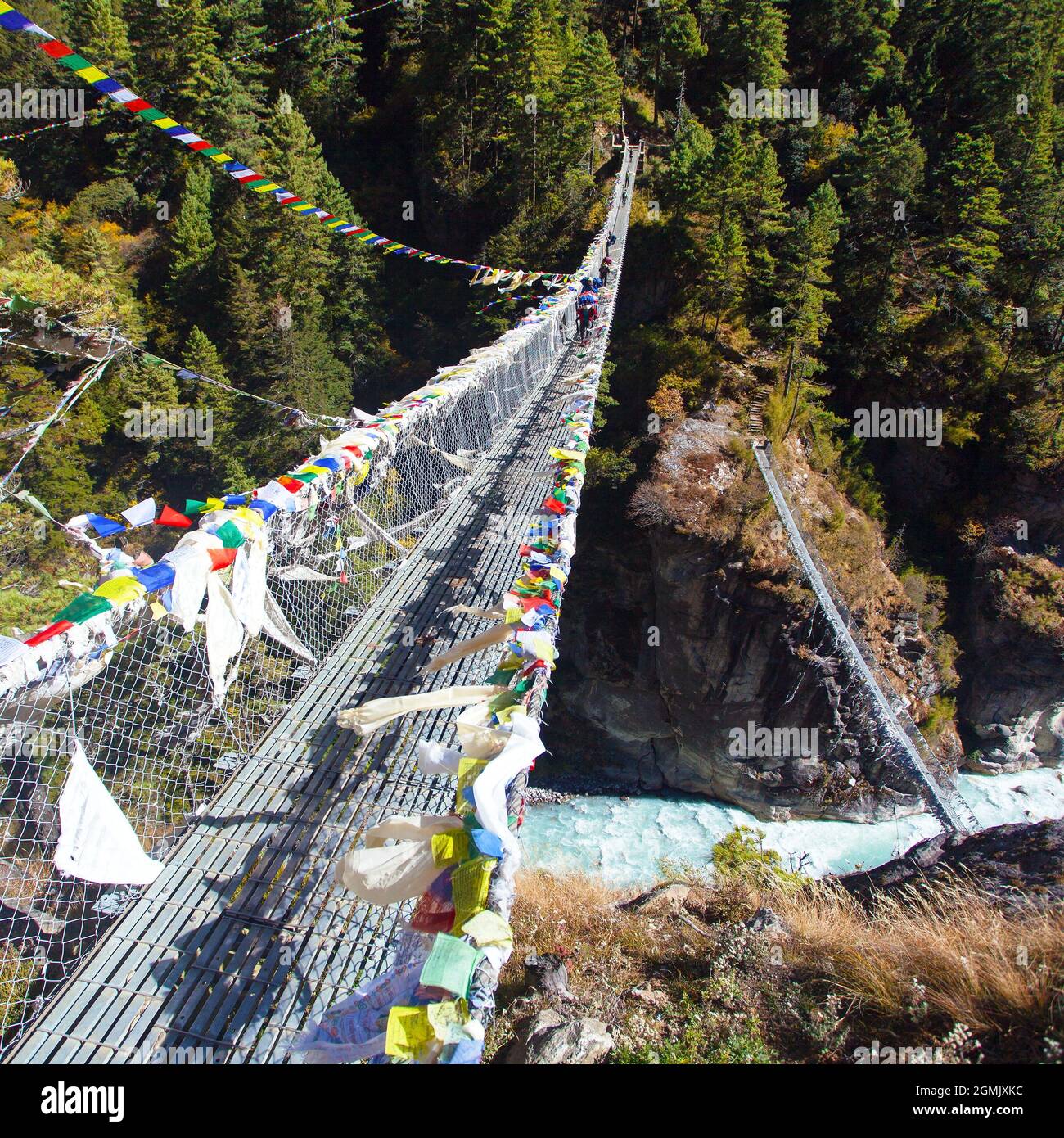
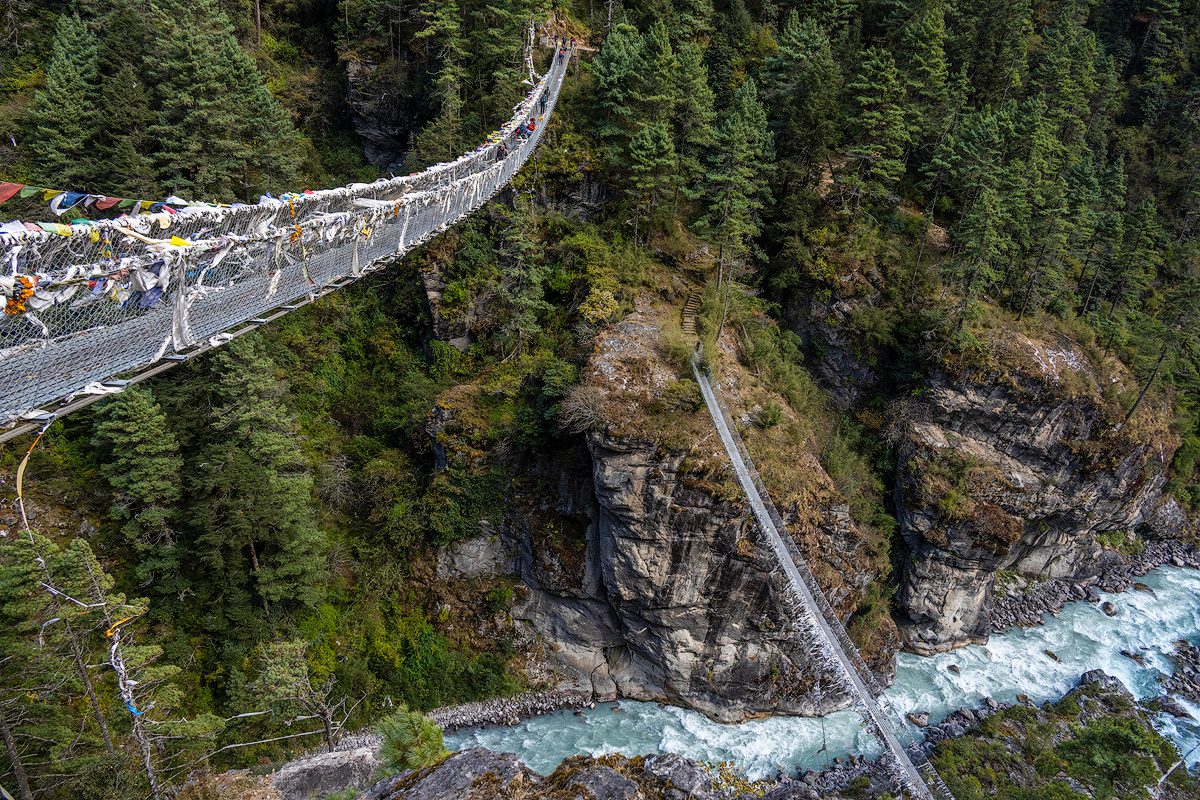
A series of steel suspension bridges span the glacial Dudh Koshi river gorge between Phakding and Namche, with the highest crossing hanging roughly 100 meters above the water near Hillary Bridge. They are a defining feature of the trekking route through the park.
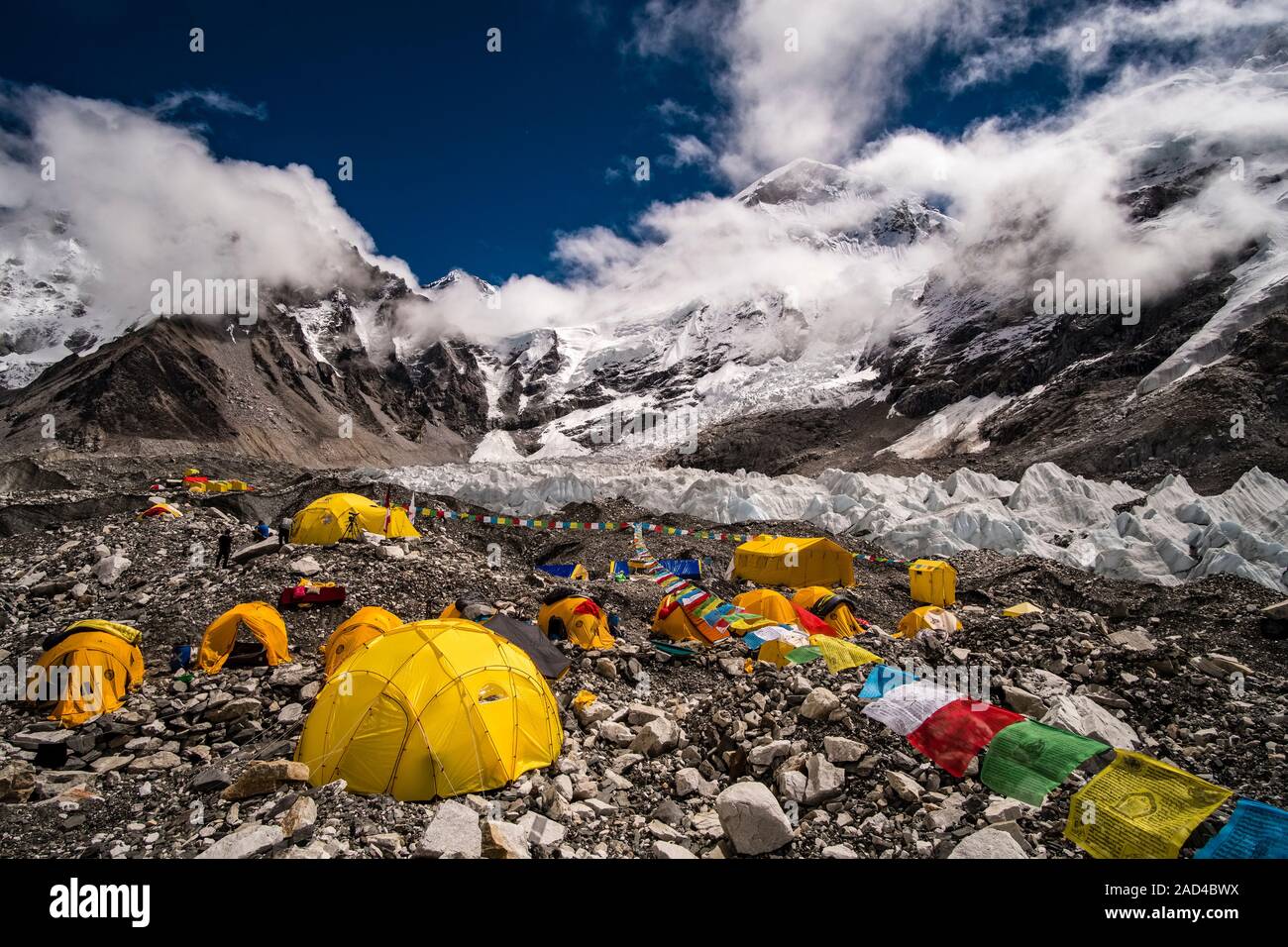
Further along the trail beyond the core park entrance, the Khumbu Glacier's icefall marks the final stretch toward Everest Base Camp at roughly 5,364 meters. The glacier's shifting seracs make this section one of the most photographed stretches of the route.
You reach the Sagarmatha National Park entrance at Monjo, in Solukhumbu, and hand over the 3,000 NPR permit at the gate. Arrive between 07:00 and 10:00 — before the afternoon clouds build, the mountain views hold clearest, and the ridgelines still catch a hard morning light.
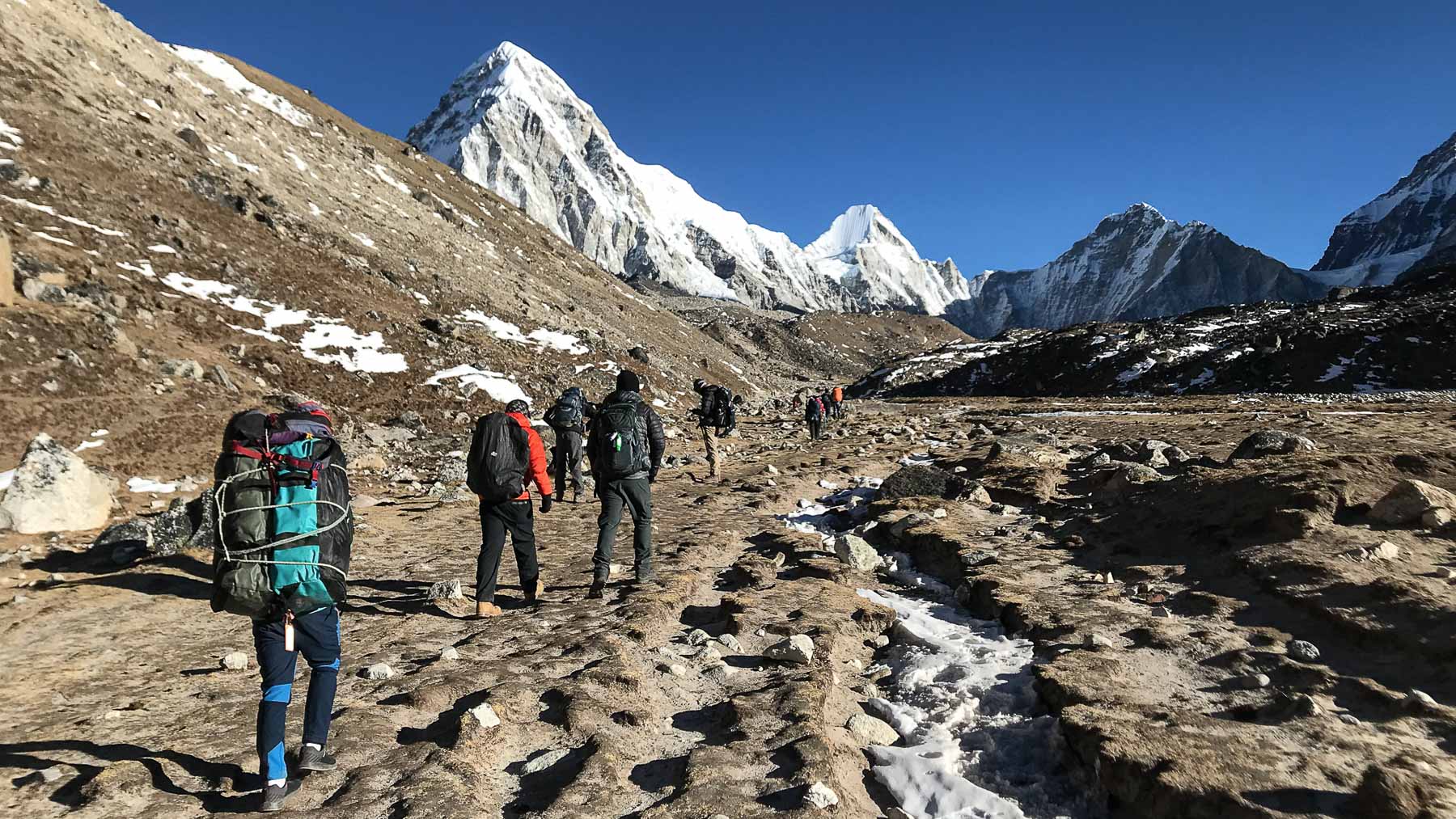
From here the trail drops to the Dudh Kosi and climbs. You cross the high suspension bridge above Larja Dobhan, boots on steel mesh, prayer flags snapping overhead, then grind up the switchbacks toward Namche Bazaar at 3,440 metres. You pause where the trees thin and the first triangle of the summit appears far to the north.
If you chose a mount everest flight instead, your day begins earlier: a dawn boarding in Kathmandu, a guaranteed window, and forty minutes tracing the Himalayan wall with the summit pyramid sliding past the glass. Back on foot, you walk the stone streets of Namche, drink milk tea, and watch porters move loads that seem impossible.
By afternoon you climb toward Tengboche, where the monastery courtyard frames Everest, Lhotse and Ama Dablam. You sit on the wall, breath short in the thin air, and let the mountain do the talking. This Mount Everest tour asks for slow lungs and patient eyes; the reward arrives quietly, in the clarity of a single morning.
All the details about your upcoming adventure in one place
Mount Everest Tours lead travelers along the classic Khumbu approach, from the Sherpa hub of Namche Bazaar toward the glacier-fed valleys beneath the highest peak on Earth. Guided Everest Base Camp treks pass Tengboche Monastery and the Sagarmatha National Park boundary, where prayer flags and Himalayan panoramas frame each acclimatization stage. Booking mount everest Tours tickets through licensed operators secures certified guides and porters who manage logistics across the Solukhumbu region.
The summit of Everest rises 8,849 metres, and its rock was once seabed — marine limestone at the top of the world holds the fossils of creatures that lived in a Tethys ocean 400 million years ago.
That single fact reframes every Mount Everest tour: this is a mountain built from an ancient floor, thrust skyward by the collision of the Indian and Eurasian plates, still gaining a few millimetres a year.
The Nepali name, Sagarmatha, means "forehead of the sky." The peak was confirmed as Earth's highest by the Great Trigonometrical Survey in 1856, and named for Sir George Everest against his own objection. For the Sherpa communities of the Khumbu, the mountain is Chomolungma, a sacred presence long before it became a survey number. The region was gazetted as Sagarmatha National Park in 1976 and inscribed as a UNESCO World Heritage Site in 1979, protecting 1,148 square kilometres of glacier, gorge and rhododendron forest.
What draws visitors today is not only the summit, which fewer than 7,000 people have ever reached, but the theatre around it. The Khumbu Icefall groans and shifts below the peak; the monastery at Tengboche sits at 3,867 metres with the mountain framed behind its courtyard; the Dudh Kosi carves a valley of suspension bridges strung with prayer flags. Many travellers never set boot on the mountain at all. The everest from plane experience — a mount everest flight departing Kathmandu at dawn — carries passengers along the Himalayan wall for a window seat view of the summit pyramid, each traveller guaranteed a pane of glass. Others choose the everest from airplane charter or a helicopter landing near Everest Base Camp, standing at 5,364 metres for a single, oxygen-thin hour.
The architecture here is geological rather than built: the yellow band of marble beneath the summit, the black gneiss of the North Face, the seracs that calve without warning. Curated Mount Everest tours range from a mount everest from plane sightseeing loop to multi-day treks that thread through Namche Bazaar, the trading town clinging to a natural amphitheatre at 3,440 metres.
The mountain has been photographed, mapped and climbed for a century and a half, yet it resists familiarity. Each Mount Everest tour meets a different mountain — clouded, blazing, or hidden entirely behind the monsoon. The permit at the park gate is the small formality that opens onto the largest landscape on the planet, a place where geology, faith and human ambition converge on a single point of ice.
Marine limestone at the top of the world holds the fossils of creatures that lived in a Tethys ocean 400 million years ago.
Layered trekking clothing is essential for mount everest Tours since temperatures at the Monjo entrance and along the Khumbu trail swing widely between morning and night. Sturdy waterproof hiking boots, a windproof outer shell, and moisture-wicking base layers are standard, with insulated jackets needed at higher elevations past Namche Bazaar. There is no formal dress code at the Sagarmatha National Park gate itself, but sun hats and UV-rated eyewear are strongly advised given the high-altitude glare.
At the Monjo entrance checkpoint, rangers check permits and may briefly inspect daypacks for prohibited items before allowing entry to Sagarmatha National Park. Porters typically carry the bulk of trekking gear separately, so day packs carried through the gate are usually light and pass through quickly. There are no metal detectors or formal bag scanners, but park staff do log group sizes and permit numbers at the counter.
Personal photography and video for non-commercial use is permitted throughout the park without an extra fee. Drone flights require separate authorization from the Civil Aviation Authority of Nepal and local park officials, and unauthorized drone use is confiscated on sight. Commercial film crews must apply for a separate filming permit through the Nepal Tourism Board before arriving at the Monjo gate.
Children under 10 enter Sagarmatha National Park free of the permit fee with passport identification, though the altitude and multi-day trekking distances make the route more suitable for older children and teenagers. Family groups on mount everest Tours should build in extra acclimatization days, since altitude sickness risk rises quickly above Namche Bazaar regardless of age. Teahouses along the route offer simple family-style rooms, but cribs, high chairs, or dedicated child facilities are not available.
Sagarmatha National Park is not wheelchair accessible; the terrain beyond the Monjo entrance consists of steep stone stairways, suspension bridges, and uneven mountain trails reaching well above 3,000 meters. Visitors with mobility limitations, cardiac conditions, or respiratory issues should consult a doctor before attempting mount everest Tours given the altitude and physical demands. There are no paved paths, ramps, or accessible restroom facilities at the park gate or along the trekking route.
No food vendors operate directly at the Monjo park entrance; the nearest teahouses and lodges serving meals like dal bhat and hot beverages are a short walk further along the trail toward Jorsalle and Namche Bazaar. Bottled water sold in the park has an added cost due to the carry-in logistics, so many mount everest Tours operators recommend a reusable bottle with a water purification method. Alcohol is available at some higher-altitude lodges but is discouraged given the added dehydration risk at elevation.
Permit counter often quiet early morning
Regional fee counter can queue midday
Busier with weekend trekking groups
Hours
Open 00:00 – 23:59 daily, year-round;location
Opening hours
00:00 – 23:59
Getting there
City-center access via metro and bus
Accessibility
Most experiences are wheelchair-friendly — check individual tours
What to bring
Comfortable shoes, water, phone for mobile voucher
Public transport · 35 min flight + 1-2 days walk · USD 180-220 round-trip flight
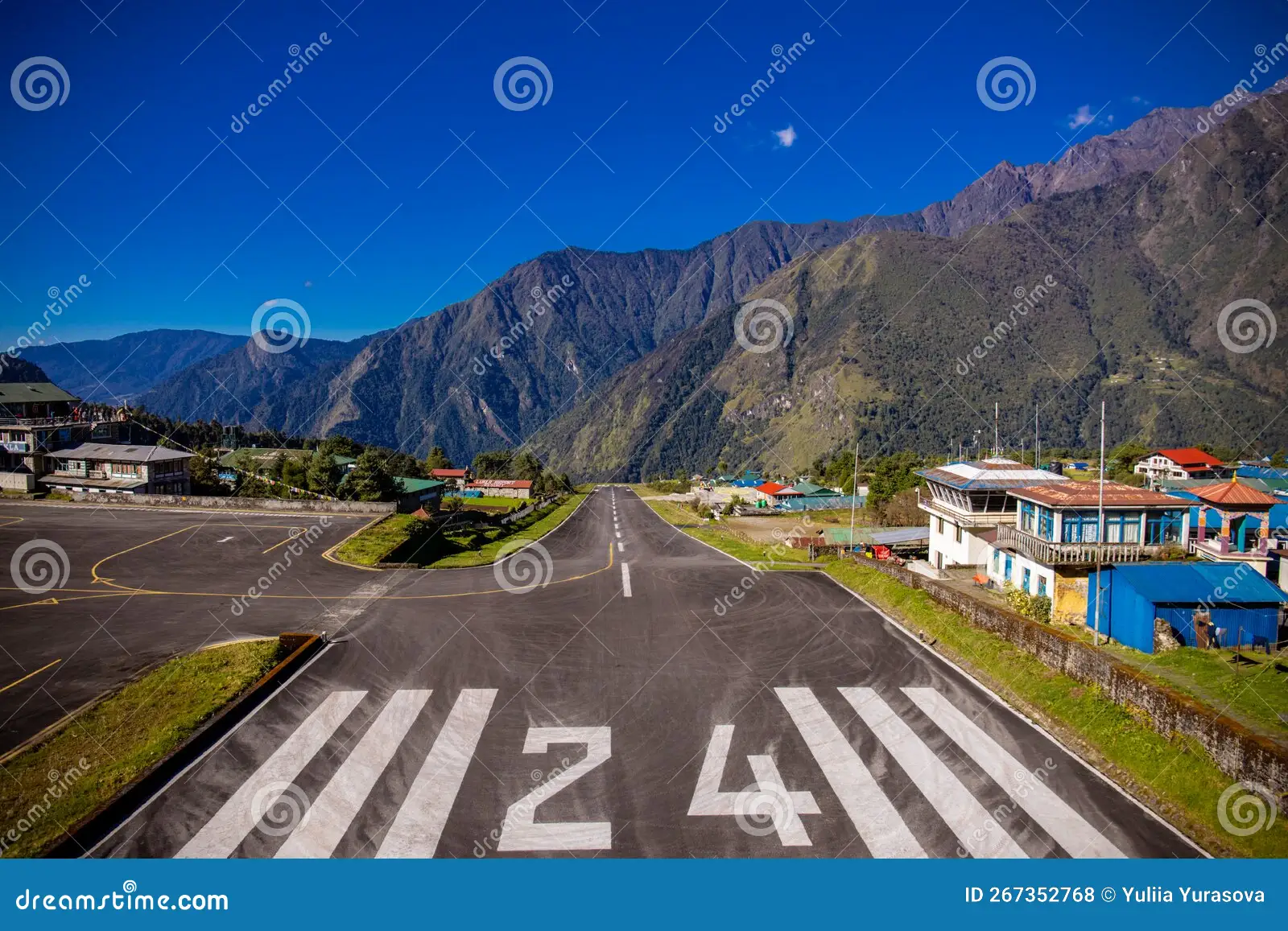
Domestic flight from Kathmandu to Lukla's Tenzing-Hillary Airport, then trek roughly 3 hours to Phakding and on to Monjo the next day.
Walk · 6-8 hours over 2 days · Free, guide/porter fees separate
From Lukla, the trail descends and follows the Dudh Koshi river valley through Phakding before reaching the Monjo checkpoint.
Car · 2-3 days total · USD 40-80 jeep fare
Alternative overland route via Jiri or Salleri by jeep, then several additional trekking days to reach Monjo.
The Sagarmatha National Park entry permit (3,000 NPR per foreign person) is a one-time, non-transferable entry fee rather than a bookable ticket, so there is no refund once issued at the Monjo checkpoint. Trekkers arranging mount everest Tours through an agency should confirm that operator's own cancellation window separately, since the park permit itself carries no refund mechanism.
Weather · crowds · average price — dots go green to amber to red as each metric rises.
Peak trekking season with rhododendron blooms and clearer pre-monsoon skies, though trails and teahouses get crowded around April.
Wetter trails and frequent afternoon cloud cover with occasional Lukla flight delays, but fewer crowds make this a quieter window for mount everest Tours.
The busiest and most reliable season with stable weather, excellent mountain visibility, and peak trekking traffic around October.
Cold temperatures well below freezing at higher elevations with some teahouses closed, but skies are often clearest for photography.
Nepali rupees are required for both the Sagarmatha permit and the regional fee at Monjo since there are no card machines at the checkpoint.
Rangers keep a copy of your passport photo page, so carrying two spares speeds up processing during busy mount everest Tours season.
Lukla flights are frequently delayed by weather, so building 1-2 spare days into any itinerary avoids missed connections.
Spend at least one full rest day in Namche Bazaar before continuing higher to reduce altitude sickness risk.
Reaching the Monjo gate in the 07:00-10:00 window gives clearer mountain visibility before afternoon cloud builds over the valley.
The park enforces a strict no-litter policy, and rangers may check bags for excess packaging on the way in.
The Sagarmatha National Park and Khumbu Pasang Lhamu fees are collected at the same Monjo counter, so having both amounts ready saves time.
Monjo, Solukhumbu District, Koshi Province, Nepal
Main ranger checkpoint where permits are checked and stamped
Get directions
Lukla, Solukhumbu District, Nepal
Common starting point before the multi-day walk to Monjo
Get directionsThe story of mount everest Tours begins with the mountain itself, surveyed in 1856 by the Great Trigonometrical Survey of India. The peak was named for Sir George Everest in 1865. The Sherpa people, who settled the Khumbu valley centuries earlier from Tibet, call it Chomolungma. Nepal named it Sagarmatha in the 1960s. These names still frame every scenic flight and Solukhumbu trek sold today. Sagarmatha National Park was established on 19 July 1976, protecting 1,148 square kilometres around the peak. UNESCO inscribed it as a World Heritage Site in 1979, citing its glaciers, deep valleys, and Sherpa culture. The park headquarters sits at Namche Bazaar, above the Monjo entrance where the 3,000 NPR permit is issued today. This protection shaped where operators could route their mount everest Tours tours and where lodges could rise. Mountaineering history carved the human routes. Tenzing Norgay and Edmund Hillary reached the summit on 29 May 1953, and their South Col line became the reference for the whole region. The first Sherpa-run trekking agencies followed in the 1960s. By the 1980s and 1990s, Kathmandu-based carriers such as those flying from Tribhuvan Airport launched daily scenic mountain flights along the Himalayan wall, giving visitors the summit view without the climb. A single mount everest Tours tour by fixed-wing aircraft could show Lhotse, Nuptse, and Ama Dablam in one hour. Controversy shadowed this growth. Crowding on the summit ridge, the 1996 disaster, and glacial retreat linked to warming all pressed on the park's managers. Yet the Khumbu economy transformed. Sherpa families who once herded yaks now run lodges, guiding firms, and the desks that sell mount everest Tours tickets to arriving trekkers. The Himalayan landmark endures as both sacred ground and working destination, its scenic flights and trails braided from survey lines, faith, and a half-century of protection.
Great Trigonometrical Survey measured the peak as the world's highest.
The Royal Geographical Society named the mountain for George Everest.
Tenzing Norgay and Edmund Hillary summited on 29 May via the South Col.
Sagarmatha National Park was established on 19 July across 1,148 square kilometres.
UNESCO inscribed the park as a World Heritage Site.
Kathmandu carriers began daily scenic mountain flights along the Himalayan wall.
A storm disaster on the ridge reshaped safety and access debates.
Namche and Monjo lodges and guiding firms anchor the Sherpa-run visitor economy.
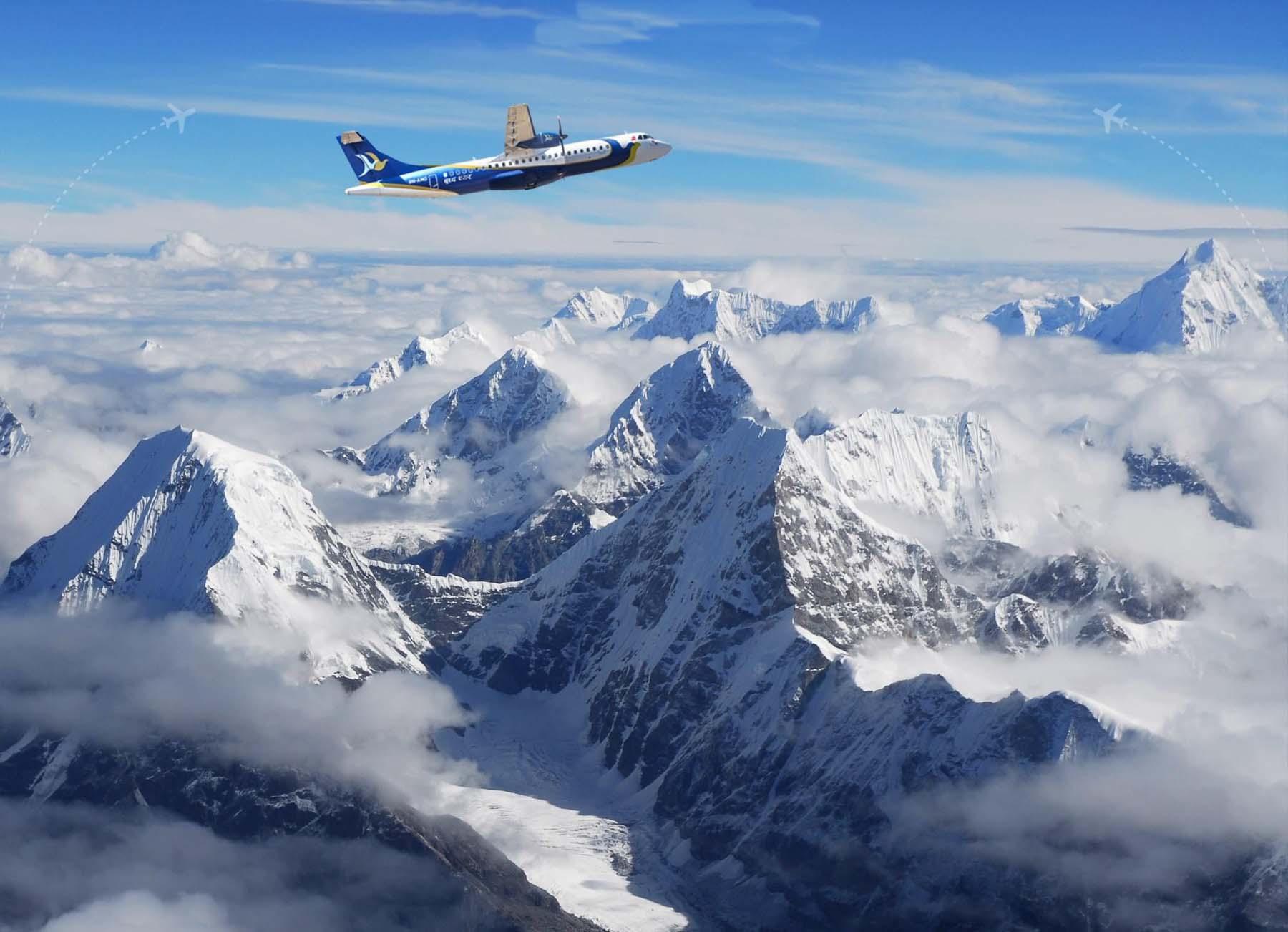
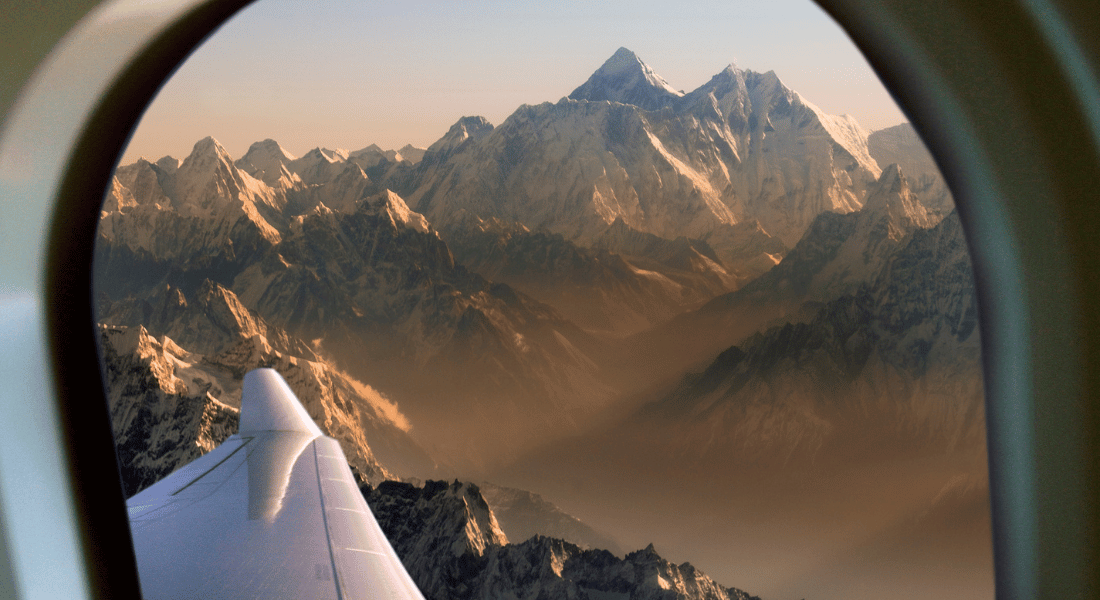
On mount everest Tours scenic flights out of Kathmandu, the Himalayan chain including Everest's summit appears first on the left-hand windows, with rows near seat A recommended and views obstructed near the wing and propellers; the mountain reappears on the right side during the return leg.
The stone gateway and permit checkpoint at Monjo marks the first framed view of the Khumbu foothills against the park's forested ridgeline, and is where visitors show the national park permit before the trail narrows toward Jorsale. Wide shots work well from the bridge just past the gate.
A terraced overlook above the amphitheater-shaped town of Namche Bazaar gives the first distant glimpse of Everest's summit tip beside Lhotse, reached via a short uphill walk from the main square. It's a common acclimatization-day stop with prayer flags framing the shot.
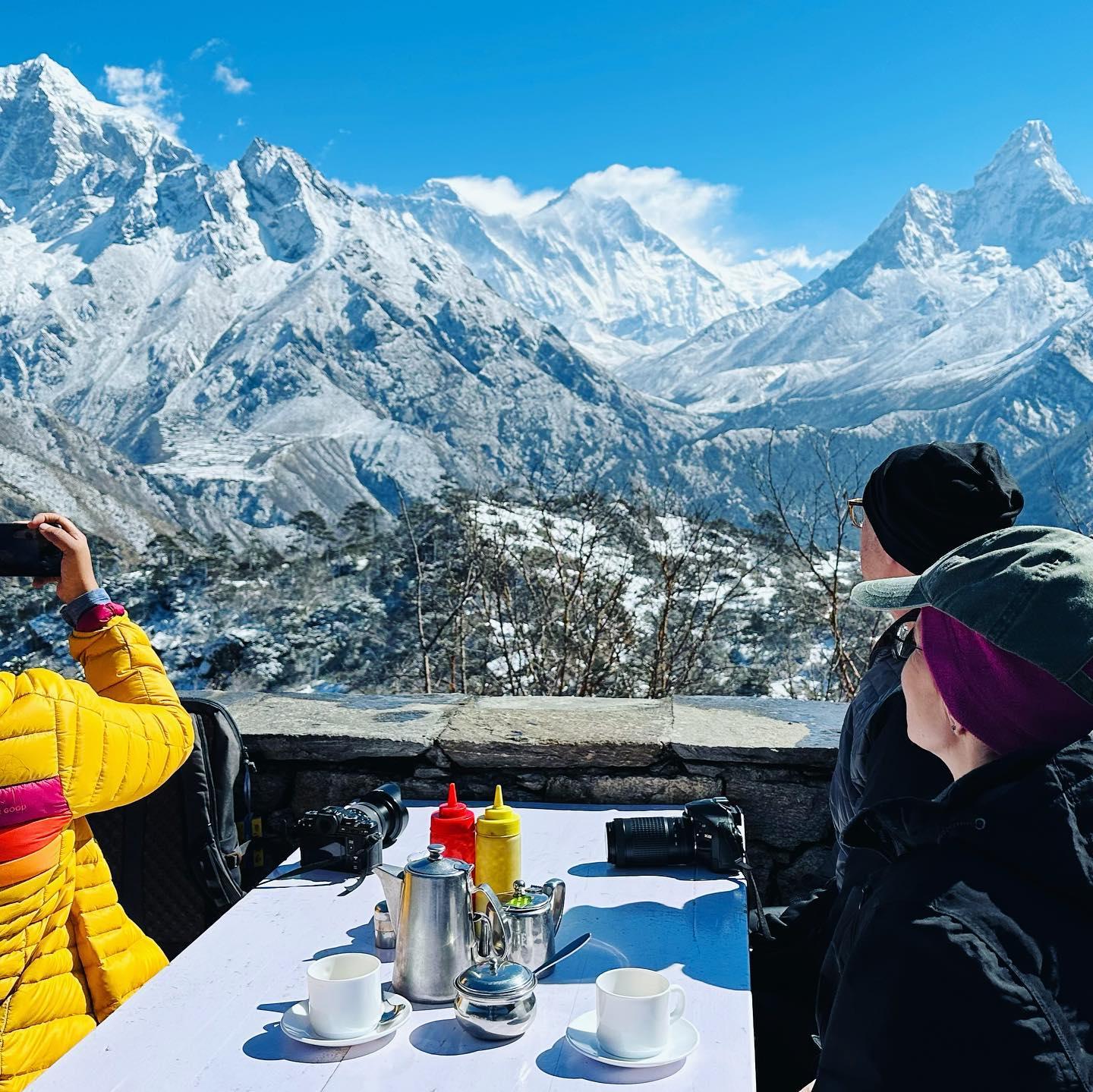
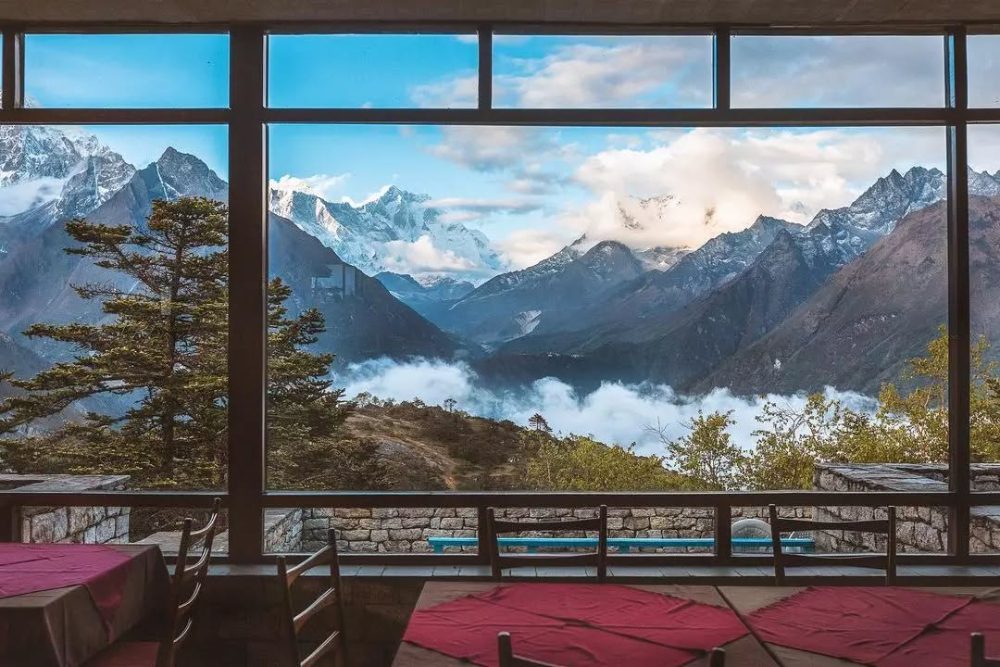
Terraces at this hillside hotel above Namche offer a sit-down, close-range framing of Everest, Lhotse, and Ama Dablam without a high-altitude climb, popular with helicopter-tour and short-trek visitors combining an easier alternative to a mount everest Tour on foot.
The ridge in front of Tengboche Monastery frames Everest and the Lhotse-Nuptse wall behind the monastery's gold-trimmed rooftops, with prayer flags and chortens as foreground elements. Access is via the monastery courtyard, open to visitors outside prayer times.
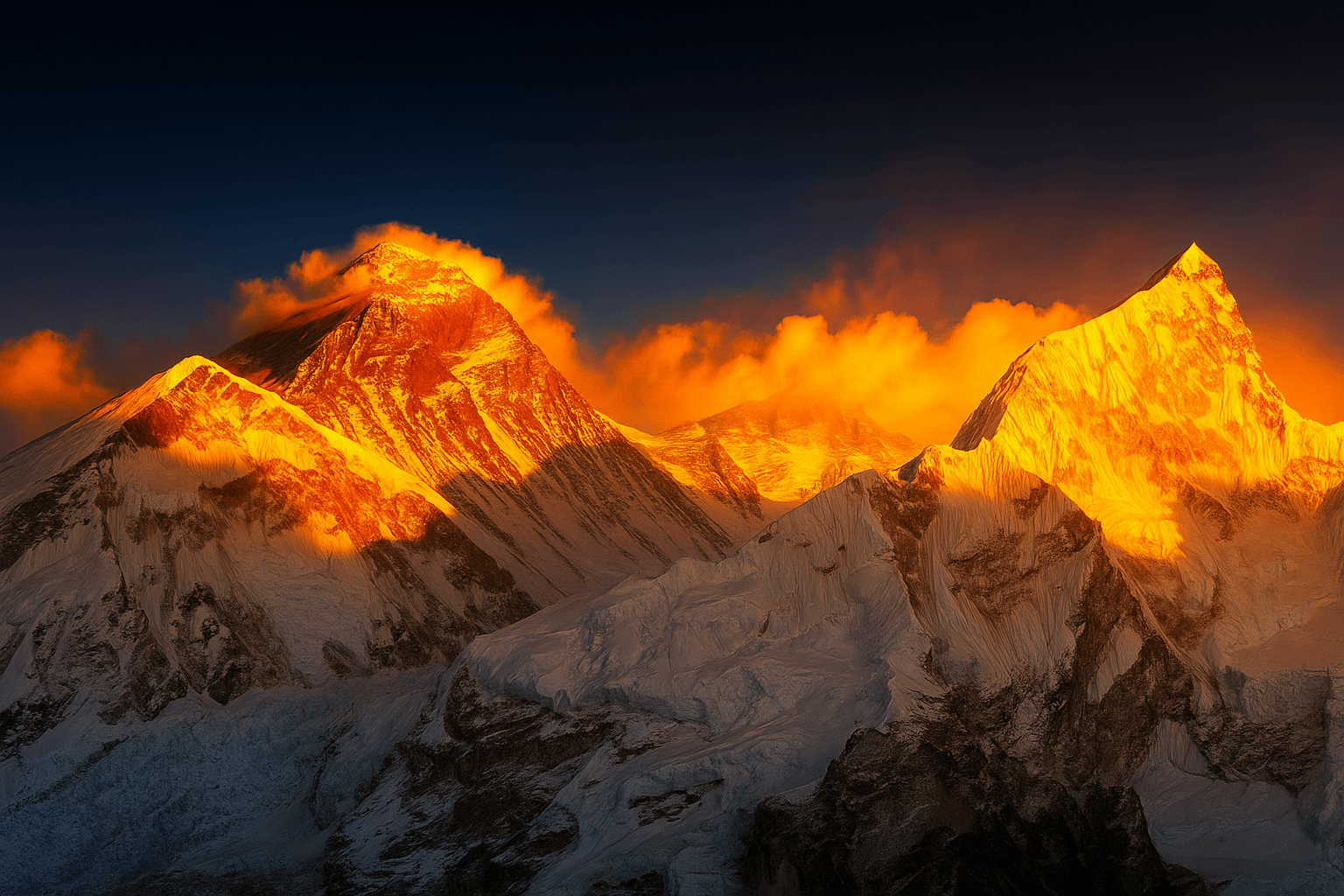
The 5,545-meter rocky summit above Gorak Shep delivers the closest unobstructed view of Everest's full pyramid, reached by a pre-dawn two-to-three hour climb; nearly all the classic Everest sunrise photographs are taken from this exact ridge.
Real experiences from real travelers
The mount everest Tours group we joined kept a steady acclimatization pace and it made all the difference on the climb to Kala Patthar. Reaching the Khumbu Icefall viewpoint in cold clear air with prayer flags snapping in the wind stayed with me for weeks.
Our Sherpa guide read the weather better than any forecast and rerouted us around an afternoon whiteout above Dingboche. The Everest Base Camp trek felt safe even at altitude, and Ama Dablam framed nearly every morning.
The teahouse nights were colder than I expected and the Namche Bazaar acclimatization day is not optional. Still, the Himalaya trekking tour was well organized and the porters were treated fairly, which mattered to me.
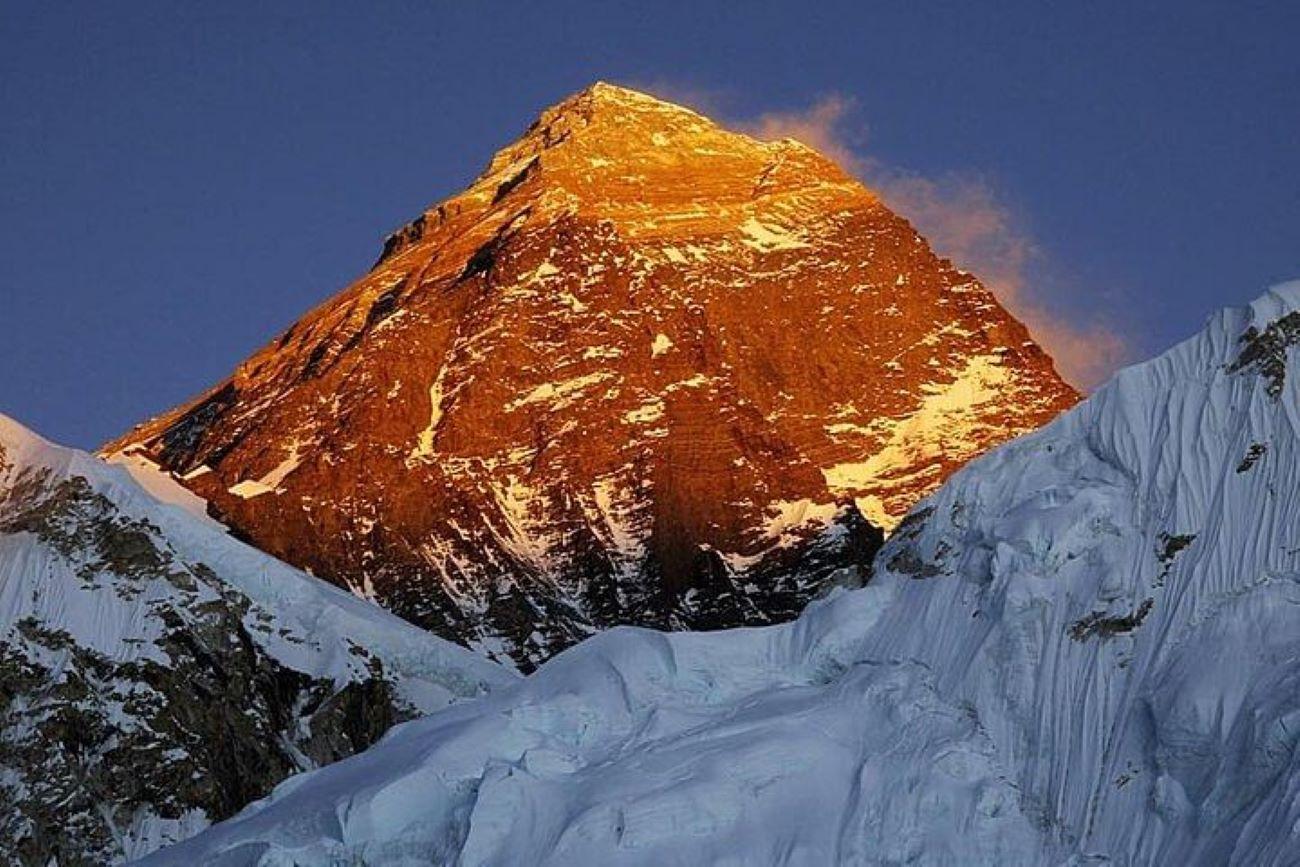
Standing on Kala Patthar before dawn watching the summit turn gold is the reason I booked mount everest Tours in the first place. Bring a headlamp and warmer gloves than you think you need.
The Lukla flight is weather-dependent so we padded two buffer days, and the operator handled the delay without fuss. Crossing the Dudh Koshi suspension bridges with the group was a highlight of the whole Khumbu region tour.
Even before base camp, the stop at Tengboche Monastery with Ama Dablam behind it made the mount everest Tours tour worthwhile. Thin air past 4,000 meters is real, so the slow pace is a feature not a flaw.
Ordered mount everest Tours tickets months ahead and the confirmation and gear list were clear. The Gorak Shep teahouse was basic, though the view of the Khumbu Icefall from base camp made the effort feel earned.
We went in the shoulder season and the visibility toward Everest and Nuptse was sharp most mornings. Our guide on the everest base camp trek carried a pulse oximeter and checked us nightly, which built real trust.
Comparing several mount everest Tours tours before booking, this one stood out for transparent porter wages and small group sizes. The walk up to Kala Patthar was brutal on the lungs but the Himalayan panorama at the top settled it.
The Sherpa hospitality in the Khumbu valley teahouses is understated and warm. Booking mount everest Tours tickets was straightforward and the itinerary left room to rest at Dingboche before the final push.
Everything you need to know for your journey
The Sagarmatha National Park entrance at Monjo is open daily from 00:00 to 23:59, meaning there is no fixed closing time at the gate itself, though rangers staff the permit counter mainly during daylight hours.
Foreign visitors pay 3,000 NPR per person for the Sagarmatha National Park entry permit, collected at the Monjo checkpoint alongside a separate regional fee.
No, the park has no paved paths or accessible facilities; the terrain consists of steep stone stairways and mountain trails unsuitable for wheelchairs.
Drones without authorization, single-use plastics, and open fires outside designated lodges are among the items restricted inside the park to protect the environment.
Arriving at the Monjo gate between 07:00 and 10:00 offers the clearest mountain views before afternoon clouds build, and autumn (September-November) generally has the most stable weather.
There is no formal dress code, but layered, weatherproof trekking clothing and sturdy boots are strongly recommended given the altitude swings.
No vendors operate directly at the Monjo gate, but teahouses a short walk further along the trail toward Jorsalle and Namche Bazaar serve meals and hot drinks.
Most trekkers fly from Kathmandu to Lukla's Tenzing-Hillary Airport, then walk roughly one to two days through Phakding to reach the Monjo entrance.
Children under 10 enter free with passport ID, though the altitude and multi-day distances make the route better suited to older children and teens.
The park permit is a one-time, non-refundable entry fee rather than a bookable ticket, so it cannot be cancelled or refunded once issued.
Namche Bazaar, Tengboche Monastery, and the Everest View Hotel viewpoint near Khumjung are common stops combined with a visit to the park.
A licensed guide is not legally required for foreign trekkers as of the current regulations, though many opt for one given the remote terrain and altitude risks.
The main Sherpa trading town and acclimatization hub with a Saturday market and mountaineering museum.
A Buddhist monastery set against Ama Dablam with a well-known Mani Rimdu festival each autumn.
A high-altitude terrace near Khumjung offering direct views of Everest, Lhotse, and Ama Dablam.
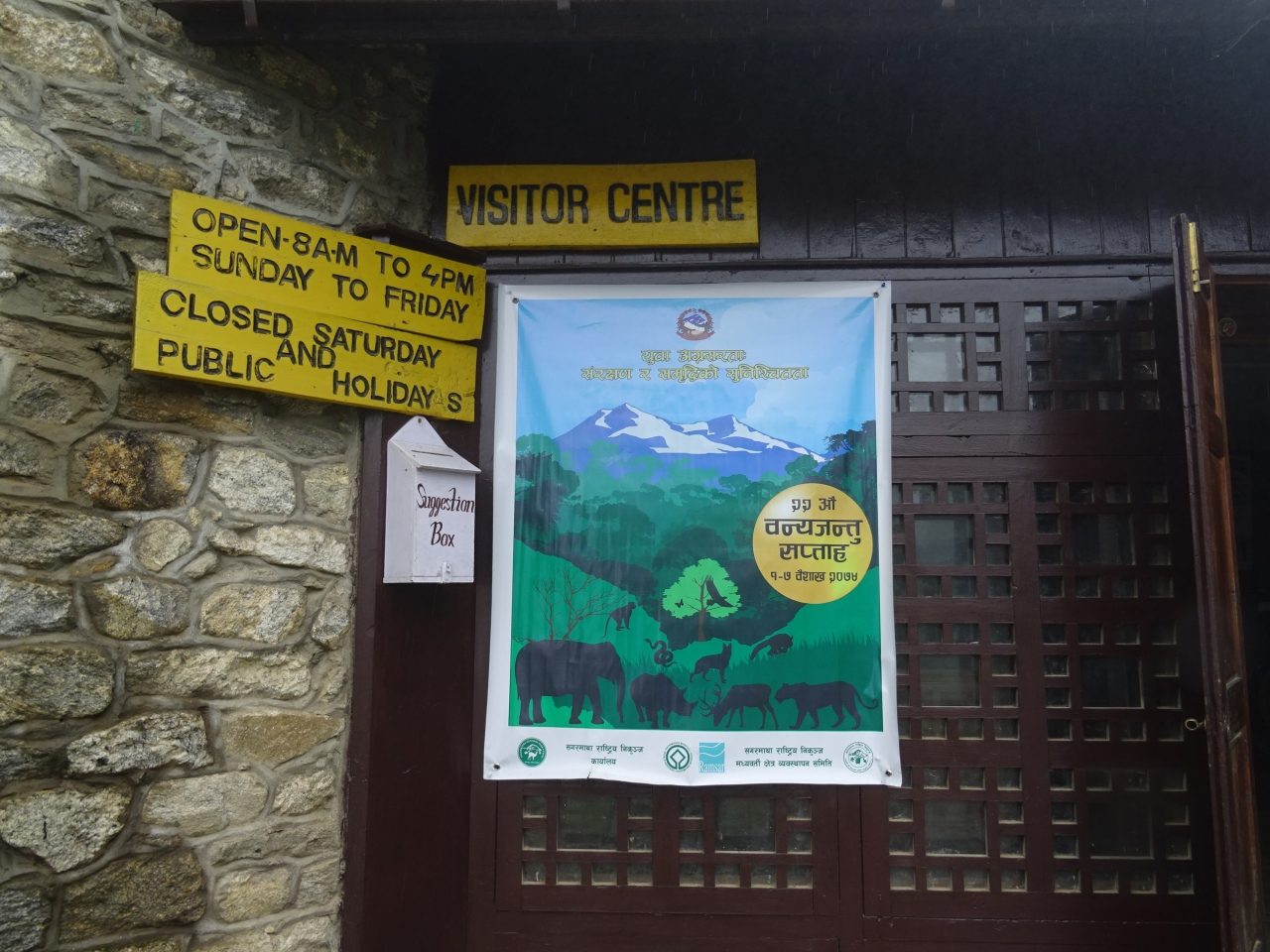
A small exhibit on Khumbu wildlife, geology, and Sherpa culture near the park checkpoint.
Cluster of teahouses and lodges serving as the main overnight base after Monjo.
Riverside lodges commonly used the night before reaching the park entrance.
Small monastery-adjacent guesthouses with mountain views for those continuing past Namche.
Join thousands of happy travelers who have discovered this incredible experience
Book Your Experience Now